Figure 1: Distribution by age of chronic hemodialysis patients at CNHU-HKM, Cotonou (2023).


Zossoungbo G1,2* Nantob Y1 Godonou J1 Vinasse A1 Melikan M1 Kenoukon C1 Amani JC1 Agboton B2 Ahoui S1 Vigan J1
1University Clinic of Nephrology and Hemodialysis, National University Hospital Center Hubert Koutoukou Maga (CNHU-HKM), Cotonou, Benin*Corresponding author: Zossoungbo Giovanna, University Clinic of Nephrology and Hemodialysis, CNHU-HKM, Cotonou, Benin, E-mail: [email protected]
Background: Anemia is a frequent and disabling complication in hemodialysis patients. The main objective of this work was to study the factors associated with anemia in chronic hemodialysis patients at CNHU-HKM in 2023.
Methods: This was a cohort study, descriptive and analytical in nature, conducted from July 1, 2023 to September 31, 2023. The diagnosis of anemia was based on the criteria of the KDIGO 2012 recommendations. Associated factors were investigated by logistic regression in univariate analysis. The significance threshold p was set below 0.05.
Results: Out of a total of 133 hemodialysis patients included, almost all presented with anemia, i.e., 90.98%, with male predominance (61.65%) and a sex-ratio of 1.6. The mean age of the participants was 49.99 years. Absolute iron deficiency was found in 39.85% and functional iron deficiency in 33.83%. The most frequently encountered type of anemia was normochromic normocytic aregenerative (71.36%). Factors associated with anemia were advanced age (P = 0.022), dialysis vintage (p = 0.015), blood transfusion (P = 0.016), and urea reduction percentage (P = 0.000).
Conclusion: Anemia is very frequent and alters the quality of life of hemodialysis patients. It is multifactorial and requires rigorous investigation for adequate management.
Anemia; Iron Deficiency; Hemodialysis Patients; CNHU-HKM
Anemia is one of the most frequent complications in hemodialysis patients, exposing them to the risk of repeated transfusions. It is recognized as a major factor of morbidity and cardiovascular mortality in uremic patients [1]. It occurs as early as stage 3 of Chronic Kidney Disease (CKD) and results mainly from a deficit in erythropoietin production by the diseased kidneys [2]. In Senegal in 2010, at the Aristide Le Dantec University Hospital Center of Dakar, the prevalence of anemia in hemodialysis patients was 72% [3]. In a series of 43 dialyzed patients in Ghana in 2009 [4], anemia was responsible for 25% of deaths. In Cameroon, a study conducted in 2008 at the hemodialysis center of the Yaoundé General Hospital showed that 75% of patients admitted for chronic hemodialysis were anemic [5]. In Benin, the frequency of anemia increased from 81% in 2011 to 91% in January 2017 [6] in the hemodialysis unit of the National University Hospital Center Hubert Koutoukou MAGA (CNHU-HKM), which raises many questions about the quality of management. This motivated the initiation of the present study in order to understand the factors associated with anemia in our context.
This was a cohort study, descriptive and analytical in nature, conducted over a period of 3 months from July 1 to September 31, 2023. The study population consisted of hemodialysis patients admitted to the University Clinic of Nephrology (CUN) of CNHUHKM during the study period. Were included patients aged 16 years and older, who had been on hemodialysis for at least 3 months. We used a non-probabilistic sampling method with an exhaustive selection of all cases of hemodialysis patients followed at the University Clinic of Nephrology and Hemodialysis of CNHU-HKM. This was an exhaustive recruitment of all patients meeting our criteria. The sample size was a function of the number of hemodialysis patients during the study period who met the inclusion criteria.
The dependent variable was anemia, which is defined in hemodialysis patients as a Hemoglobin (Hb) level below 13 g/dL in men and below 12 g/dL in women, according to the KDIGO 2012 recommendations [7]. The independent variables included sociodemographic variables (age, sex, ethnicity, occupation, residence), clinical variables (fever, body mass index [BMI]), paraclinical variables (C-reactive protein [CRP], Erythrocyte Sedimentation Rate [ESR], blood culture, iron status assessment including serum ferritin, transferrin saturation coefficient [TSAT], and uremia), therapeutic variables, and dialysisrelated variables.
The data collection tool was a pre-established questionnaire that was pre-tested on a small sample and validated before being administered to patients. Patients meeting the inclusion criteria were received on the day of their hemodialysis session. After obtaining free and informed consent, we proceeded to administer the questionnaire, and the information was collected using individual, anonymous survey forms, followed by data entry into a database designed on KoboCollect v2023.2.4. The agreement of the CNHU-HKM Authorities of Cotonou was obtained before the start of the study and data collection. Field data collection was preceded, for each participant, by their oral, free, and informed consent. To ensure the confidentiality of the study, all participants were coded.
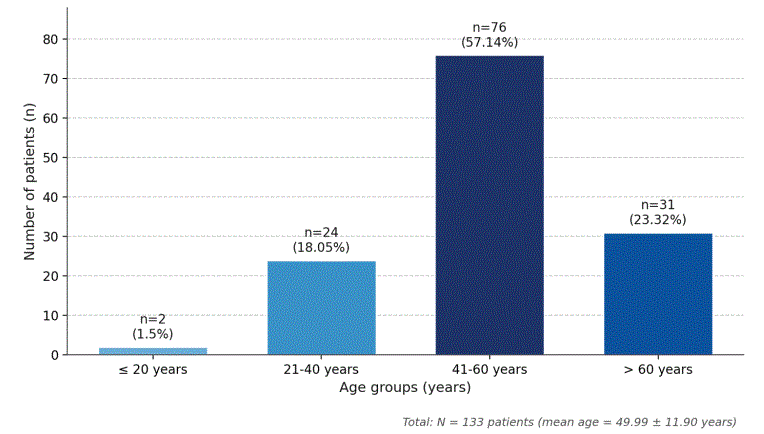
During the study period, 133 patients were included. The mean age of the patients was 49.99 ± 11.90 years, with a minimum of 16 years and a maximum of 84 years. The most represented age group was that of 41 to 60 years, with a percentage of 57.14%. Male subjects were the most represented (61.65%) with a sex-ratio of 1.6. The majority of our participants had a middle socioeconomic level (89%). Figure 1 shows the distribution by age of the chronic hemodialysis patients.
Figure 1: Distribution by age of chronic hemodialysis patients at CNHU-HKM, Cotonou (2023).
Arterial hypertension was the main medical history found in our patients (69.84%), followed by gastroduodenal ulcer (13.23%) and diabetes (8.99%). Regarding surgical history, 46% of patients had a history of abdominal surgery, followed by 35% for gynecological surgery. Among uro-nephrological history, pollakiuria was noted in 31.65% of cases, followed by polyuria in 25%. Table 1 shows the distribution of patients according to their medical history.
| n | % | |
| Arterial hypertension | 132 | 69.84 |
| Diabetes | 17 | 8.99 |
| Viral hepatitis C | 1 | 0.53 |
| Sickle cell disease | 2 | 1.06 |
| Gastroduodenal ulcer | 25 | 13.23 |
| Asthma | 6 | 3.17 |
| HIV | 6 | 3.17 |
| Abdominal surgery | 18 | 46 |
| Gynecological surgery | 14 | 35 |
| Urological surgery | 7 | 17 |
| Hematuria | 34 | 10.76 |
| Nocturia | 23 | 7.28 |
| Dysuria (micturition burning) | 42 | 13.29 |
| Polyuria | 79 | 25 |
| Dysuria | 38 | 12.03 |
| Pollakiuria | 100 | 31.65 |
Table 1: Distribution according to the medical history of chronic hemodialysis patients at CNHU-HKM. n = 133.
Arterial hypertension was the main cause of chronic kidney disease (87.50%), followed by diabetes in 11.84% of cases. The cause of chronic kidney disease was undetermined in 0.66% of cases. The complaints expressed were mainly asthenia (15.92%), followed by visual disturbances (12.86%) and headaches (12.22%). Table 2 shows the distribution of patients according to the complaints expressed.
| n | % | |
| Anorexia | 61 | 9.81 |
| Asthenia | 99 | 15.92 |
| Decreased libido | 76 | 12.22 |
| Decline in intellectual functions | 10 | 1.61 |
| Headaches | 76 | 12.22 |
| Chest pain | 48 | 7.72 |
| Exertional dyspnea | 48 | 7.72 |
| Fatigability | 8 | 1.29 |
| Cold intolerance | 4 | 0.64 |
| Insomnia | 50 | 8.04 |
| Conjunctival pallor | 19 | 3.05 |
| Palpitations | 13 | 2.09 |
| Subicterus | 2 | 0.32 |
| Tachycardia, angina | 2 | 0.32 |
| Visual disturbances | 80 | 12.86 |
| Vertigo | 26 | 4.18 |
Table 2: Distribution according to the complaints expressed by chronic hemodialysis patients (n = 133).
Chronic kidney disease involves multiple complications that aggravate the mortality and morbidity of hemodialysis patients. In our study, left ventricular hypertrophy predominated in 19.26% of cases, followed by digestive hemorrhages in 12.70% of cases. Table 3 shows the distribution of patients according to associated pathologies.
| n | % | |
| Digestive hemorrhage | 31 | 12.7 |
| Hypothyroidism | 2 | 0.82 |
| Hyperparathyroidism | 2 | 0.82 |
| Coronary artery disease | 11 | 4.51 |
| Left ventricular hypertrophy | 47 | 19.26 |
| Myocardial infarction | 2 | 0.82 |
| Arteriovenous fistula thrombosis | 17 | 6.97 |
| Menometrorrhagia | 1 | 0.41 |
Table 3: Distribution according to the associated pathologies of chronic hemodialysis patients. n = 133.
The mean dialysis vintage was 7.59 ± 4.87 years, with a minimum of three (3) months and a maximum of 24 years. The most represented dialysis vintage range was [6 - 10] years with a frequency of 44.36%. Most patients underwent two dialysis sessions per week, i.e., 67.67% of cases. The most commonly used vascular access was the arteriovenous fistula in 93.98% of cases. Hemodialysis was considered effective in 75.19% of cases in our study (Urea Reduction Percentage [PRU] greater than 70%).
Iron reserves were preserved in 33.83% of cases. However, serum ferritin was elevated in 26.32% of cases after a period of management, and 53 patients had a collapsed Transferrin Saturation Coefficient (TSAT), i.e., 39.85%. The frequency of absolute iron deficiency was 29.75% and that of functional iron deficiency was 26.32%. Iron reserves were normal in 35.34% of cases. In addition, 93.23% of patients had a normal inflammatory assessment. Table 4 shows the distribution according to the iron status and inflammatory assessment of chronic hemodialysis patients at CNHU-HKM in 2023.
| n | % | |
| Serum ferritin | ||
| [200 - 500] | 45 | 33.83 |
| ≥ 500 | 35 | 26.32 |
| < 200 | 53 | 39.85 |
| Transferrin saturation coefficient (TSAT) | ||
| < 20 | 53 | 39.85 |
| ≥ 40 | 15 | 11.28 |
| [20 - 40[ | 65 | 48.87 |
| Absolute iron deficiency | ||
| Yes | 36 | 29.75 |
| No | 85 | 70.25 |
| Functional iron deficiency | ||
| Yes | 35 | 26.32 |
| No | 86 | 64.66 |
| Iron reserves | ||
| Yes | 47 | 35.34 |
| No | 86 | 64.66 |
| C-reactive protein (CRP) | ||
| ≥ 6 | 9 | 6.77 |
| < 6 | 124 | 93.23 |
Table 4: Distribution according to the iron status and inflammatory assessment of chronic hemodialysis patients. n = 133.
During the study, all participants were on ErythropoiesisStimulating Agents (ESA), i.e., 99.25%. Iron supplementation was mainly oral, i.e., 98.50%. During the study period, 96.99% of patients were transfused. The main vitamin treatments were dominated by B-complex vitamins (97.74%) and folic acid (96.24%).
The mean hemoglobin level was 8.51 g/dL and the frequency of anemia was high at 90.98% according to the KDIGO 2012 recommendations. Table 5 shows the distribution of hemodialysis patients at CNHU-HKM in 2023 according to the frequency of anemia (KDIGO 2012 recommendations).
| n | % | |
| Hb level | ||
| Normal | 12 | 9.02 |
| Anemia | 121 | 90.98 |
| Severe anemia | 19 | 14.29 |
| Moderate anemia | 49 | 36.84 |
| Severe anemia | 53 | 39.85 |
Table 5: Distribution according to the frequency of anemia based on the KDIGO 2012 recommendations in hemodialysis patients at CNHU-HKM in 2023. n = 133.
The most frequently encountered type of anemia was normocytic, normochromic, aregenerative (61.98%).
Age (p = 0.002) and abdominal surgery (p = 0.011) were associated with anemia, whereas medical history was not associated with anemia. None of the pathologies associated with CKD was a factor associated with anemia.
Long dialysis vintage (p = 0.016) and low urea purification percentage (p = 0.000) were associated with anemia, whereas serum ferritin and TSAT were not factors associated with anemia. Elevated CRP and the number of weekly dialysis sessions were also not associated with anemia. Tables 6-8 presents a multivariate analysis according to the logistic regression model of clinical and paraclinical factors associated with anemia in hemodialysis patients.
| n | % | |
| Anemia profile | ||
| Normocytic normochromic aregenerative anemia | 75 | 61.98 |
| Microcytic hypochromic aregenerative anemia | 28 | 23.14 |
| Macrocytic normochromic aregenerative anemia | 5 | 4.13 |
| Microcytic hypochromic regenerative anemia | 3 | 2.47 |
| Normocytic normochromic regenerative anemia | 2 | 1.65 |
| Microcytic normochromic regenerative anemia | 1 | 0.8 |
| Macrocytic hypochromic regenerative anemia | 1 | 0.8 |
| Macrocytic normochromic regenerative anemia | 5 | 4.13 |
Table 6: Distribution according to the anemia profile based on the KDIGO 2012 recommendations in hemodialysis patients at CNHU-HKM in 2023. n = 121.
| Anemia | Anemia | OR [95% CI] | P-value | |
| YES n (%) | NO n (%) | |||
| Age | 0.002 | |||
| ≤ 20 | 1 (0.826) | 1 (8.333) | 0.0012 [0 - 0.17] | |
| (21 - 40) | 22 (18.182) | 2 (16.667) | 0.06 [0.05 - 1] | |
| (41 - 60) | 74 (61.157) | 2 (16.667) | 0.093 [0.02 - 2] | |
| > 60 | 24 (19.835) | 7 (58.333) | 1 (ref) | |
| Sex | 0.2 | |||
| Female | 47 (38.843) | 4 (33.333) | 1.270 [0.352 - 4.454] | |
| Male | 74 (61.157) | 8 (66.667) | 1 (ref) | |
| Socioeconomic level | 0.177 | |||
| High | 11 (9.091) | 1 (8.333) | 0.049 [0.031 - 0.180] | |
| Middle | 107 (88.430) | 11 (91.667) | 0 [0 - 7] | |
| Low | 3 (2.479) | 0 (0.000) | 1 (ref) | |
| Abdominal surgery | 0.011 | |||
| Yes | 13 (10.744) | 5 (41.667) | 0.251 [0.05 - 0.439] | |
| No | 108 (89.256) | 7 (58.333) | 1 (ref) | |
| Gynecological surgery | 0.368 | |||
| Yes | 12 (9.917) | 0 (0.000) | 0.063 [0.003 - 0.293] |
|
| No | 109 (90.083) | 12 (100) | 1 (ref) | |
| Urological surgery | 0.508 | |||
| Yes | 7 (5.785) | 0 (0.000) | 0.074 [0.038 - 0.113] | |
| No | 114 (94.215) | 12 (100) | 1 (ref) |
Table 7: Association between sociodemographic characteristics and anemia in chronic hemodialysis patients at CNHU-HKM in 2023.
| Anemia | Anemia | aOR [95% CI] | P-value | |
| YES n (%) | NO n (%) | |||
| Dialysis vintage | 0.016 | |||
| ≤ 5 years | 37 (30.58) | 6 (50.00) | 1 (ref) | |
| [6 - 10] | 55 (45.45) | 4 (33.33) | 0.566 [0.48 - 0.65] | |
| [11 - 15] | 23 (19.01) | 1 (8.33) | 0.615 [0.55 - 0.67] | |
| [16 - 20] | 1 (0.83) | 1 (8.33) | 0.720 [0.68 - 0.73] | |
| ≥ 21 | 5 (4.13) | 0 (0.000) | 0.802 [0.78 - 0.83] | |
| PRU (Urea reduction %) | <0.001 | |||
| < 60 | 99 (81.818) | 1 (8.333) | 0.051 [0.026 - 0.293] | |
| ≥ 60 | 22 (18.182) | 11 (91.667) | 1 (ref) | |
| Serum ferritin | 0.44 | |||
| < 200 | 49 (40.496) | 6 (50.000) | 0.111 [0.026 - 0.262] | |
| [200 - 500] | 39 (32.231) | 5 (41.667) | 0.12 [0.027 - 0.27] | |
| ≥ 500 | 33 (27.273) | 2 (16.667) | 0.061 [0.224 - 0.288] | |
| TSAT | 0.585 | |||
| < 20 | 48 (39.669) | 11 (91.667) | 0.061 [0.22 - 0.29] | |
| [20 - 40[ | 68 (49.587) | 1 (8.333) | 1 (ref) | |
| ≥ 40 | 13 (10.744) | 0 (0.000) | 1.484 [1.166 - 1.892] | |
| CRP | 0.782 | |||
| < 6 | 113 (93.388) | 11 (91.667) | 1 (ref) | |
| ≥ 6 | 8 (6.612) | 1 (8.333) | — |
Table 8: Multivariate analysis using the logistic regression model of clinical and paraclinical factors associated with anemia.
The mean age of patients included in our study was 49.99 ± 11.90 years, with an age range of 16 to 84 years. Patients aged 41-60 years were the most represented age group, accounting for 57.14% of the study population. These findings are consistent with those reported by Agboton and al. [6] in 2018 at CNHU-HKM, who reported a mean age of 48.81 ± 12.7 years, with an age range of 21-84 years. In contrast, our patients were younger than those reported in France by Rottembourg and al. [8] in 2013, who reported a mean age of 58.5 years, and then those described by Malyszko and al. [9] in 2014 in Central and Eastern European countries, where the mean age was 57.5 years. These differences may be related to variations in the demographic characteristics of the populations studied, as well as differences in access to healthcare, screening practices, and management of chronic kidney disease. The more advanced ageing of the population in Western countries, combined with better access to specialized healthcare and improved management of chronic diseases among older adults, may also contribute to these differences. In our setting, the relatively younger age of patients may reflect an earlier onset of end-stage kidney disease, particularly in the context of the high prevalence of cardiovascular risk factors and still limited access to early screening and nephrological care.
The main etiologies of chronic kidney disease in our study were predominantly hypertension, identified in 87.50% of cases, followed by diabetes in 11.84% of cases. The cause of kidney disease remained undetermined in 0.66% of cases. The predominance of hypertension is consistent with findings reported by Gbaguidi and al. [2] in Benin in 2012, who also identified hypertension as the leading cause of chronic kidney disease, with a frequency of 81.2%. However, our findings differ from those reported by Karimi and al. [10] in Morocco in 2013, in whom the underlying nephropathy was undetermined in 54% of cases, while glomerular and vascular nephropathies accounted for 20% and 19.35%, respectively, of the identified etiologies. Our findings also differ from those of Chaabouni and al. [11] in Tunisia in 2012, who reported an undetermined etiology in 42.9% of cases, with diabetic nephropathy being the predominant identified cause (25.6%), whereas hypertension was reported in only 3.8% of cases. Similarly, Ramilitiana and al. [12], in Antananarivo in 2009, observed a high proportion of chronic kidney disease cases of undetermined etiology. Among the identified causes, chronic glomerulonephritis and nephroangiosclerosis predominated, accounting for 40.16% and 35.56% of cases, respectively. These differences may be explained by variations in the epidemiological profiles of the populations studied, as well as differences in recruitment methods, diagnostic criteria, and access to etiological investigations. In our population, the high prevalence of hypertension probably highlights the substantial contribution of cardiovascular risk factors to the development of chronic kidney disease. The high prevalence of hypertension in subSaharan Africa may therefore partly explain its predominance among the etiologies identified in our study. In addition, most patients are admitted at an advanced stage of chronic kidney disease, when hypertension is almost invariably present. Conversely, the greater contribution of diabetes reported in some series may reflect differences in diabetes prevalence, disease duration, glycemic control, as well as access to screening and management of renal complications.
The mean duration of hemodialysis in our study was 7.59 ± 4.87 years, with a range from three months to 24 years. A dialysis vintage of 6-10 years was the most common, accounting for 44.36% of patients. This relatively long dialysis vintage indicates prolonged exposure to hemodialysis in our population. Our findings are relatively close to those reported by Gilbertson and al. [13] in the United States in 2017, who reported a mean dialysis duration of 5.6 years. In contrast, our mean dialysis duration was longer than that reported by Bakkaloglu and al. [14] in Turkey in 2018, who reported a mean duration of 2.3 ± 2 years. This difference may be influenced by characteristics of healthcare systems, particularly access to kidney transplantation, as well as differences in survival among dialysis patients and in the recruitment methods used across studies. In countries where access to kidney transplantation is more developed, some patients may be removed from the chronic dialysis population at an earlier stage, which may contribute to a shorter mean dialysis vintage. Conversely, in our setting, where transplantation opportunities are more limited, patients may remain on hemodialysis for longer periods. This prolonged dialysis exposure is particularly relevant when considering the chronic complications of hemodialysis, including anemia.
Anemia was identified in 90.97% of patients according to the diagnostic criteria used in our study and the 2012 KDIGO recommendations. This prevalence was similar to that reported by Bakkaloglu and al. [14] and to that observed in Algeria by Bahmed and al. [15], who reported a prevalence of 98.15%. The high prevalence of anemia in our population confirms that it is a particularly common complication among patients receiving hemodialysis. A metaanalysis of 25 studies conducted in sub-Saharan Africa reported a pooled prevalence of anemia of 59.15% among patients with chronic kidney disease, with a higher prevalence among patients with a history of hemodialysis [16]. More recent global data have also shown that the number of cases of anemia attributable to chronic kidney disease increased substantially between 1990 and 2021, with a disproportionately high burden in low socioeconomic settings [17]. Anemia associated with chronic kidney disease is multifactorial. It primarily results from inadequate erythropoietin production, in association with abnormalities in iron metabolism, chronic inflammation, reduced red blood cell lifespan, and blood loss. In patients receiving hemodialysis, repeated blood sampling, blood loss within the extracorporeal circuit, and bleeding episodes may further contribute to worsening anemia [18,19]. Thus, the high prevalence observed in our population may result from the interaction of several mechanisms rather than from a single underlying factor. Our findings were higher than those reported by Vanrenterghem and al. [20] in 2003 in a study involving 16 European countries, in which the prevalence of anemia was 38.6%. This difference may be explained, in particular, by differences in the study population, which included kidney transplant recipients, as well as variations in anemia management and in the definitions of anemia used across different periods and populations. Our findings were also higher than those reported by Adera and al. [21] in Ethiopia in 2019, who found a prevalence of 64.5% among patients with non-dialysis-dependent chronic kidney disease. This difference is consistent with the generally higher prevalence of anemia among patients who have reached end-stage kidney disease and are receiving hemodialysis. The meta-analysis by Taderegew and al. [16] further confirms that dialysis is associated with a higher likelihood of anemia among patients with chronic kidney disease.
The most common type of anemia observed in our study was normocytic, normochromic, hypoproliferative anemia, accounting for 71.36% of cases. This finding is comparable to that reported by Diallo and al. [22] in Mali in 2020, who found this type of anemia in 76.7% of cases, as well as to the findings of Randrianarisoa and al. [23] in Madagascar in 2010, who reported a prevalence of 69.8%. It is also consistent with the results of Bahmed and al. [15] in 2017, in whom normocytic, normochromic, hypoproliferative anemia accounted for approximately half of all cases. The predominance of this morphological pattern is consistent with the classical pathophysiology of anemia in chronic kidney disease, which is primarily characterized by reduced renal erythropoietin production and, consequently, an inadequate erythropoietic response [19]. The hypoproliferative nature of the anemia therefore reflects an insufficient bone marrow response to anemia. However, anemia in patients receiving hemodialysis is multifactorial, and other mechanisms may modify its morphological profile, including iron deficiency, chronic inflammation, blood loss, and nutritional deficiencies. Our findings differ from those reported by Kyelem and al. [24] in Burkina Faso in 2020, in whom microcytic hypochromic anemia predominated, with a prevalence of 36.1%. This difference may be related to variations in the prevalence of iron deficiency between the populations studied, as well as differences in nutritional status, blood loss, inflammatory status, and iron management.
At the hemoglobin threshold for initiating ErythropoiesisStimulating Agents (ESAs), defined in our study as a hemoglobin concentration <10 g/dL, the prevalence of anemia was 59.50%. This prevalence was lower than those reported by Diallo and al. [22] in Mali in 2020, who found prevalence of 85.33% and by Kyelem and al. [24] in Burkina Faso in 2020, with a prevalence of 88.4%. Conversely, it was comparable to that reported by Choukroun and al. [25] in France in 2008, who reported a prevalence of 64.59%. These differences may be related to variations in the characteristics of the populations studied, anemia management practices, access to ESAs and iron therapy, as well as differences in the duration and quality of nephrological care before and during dialysis. Nevertheless, the prevalence observed in our study indicates that a substantial proportion of patients had a hemoglobin concentration below the threshold at which ESA therapy may be considered. This finding highlights the importance of regular hemoglobin monitoring, as well as the identification and correction of reversible causes of anemia before and during ESA treatment.
The prevalence of absolute iron deficiency was 39.85% in our study. Our findings are similar to those reported by Iimori and al. [26] in Japan in 2015, who found a prevalence of 42%, and to those reported by Canaud and al. in France in 2003 [27], with a prevalence of 30%. The persistence of iron deficiency in a substantial proportion of patients receiving hemodialysis may be explained by increased iron requirements associated with ESA-stimulated erythropoiesis, as well as chronic blood loss related to hemodialysis, repeated laboratory testing, and bleeding episodes. In our population, most patients received oral iron supplementation. The relatively high prevalence of iron deficiency despite this supplementation may suggest that oral iron therapy does not always adequately meet the iron requirements of patients receiving hemodialysis. However, this interpretation should be made cautiously, as the effectiveness of iron therapy also depends on treatment adherence, gastrointestinal absorption, and the presence of an inflammatory state that may limit iron availability. Functional iron deficiency was identified in 33.83% of patients in our study. This prevalence was comparable to those reported by Iimori and al. [26] in 2015, who found prevalence of 24.2% and by Mercadal and al. [28] in 2012 in the NephroTest cohort, with a prevalence of 25%. It was also close to that reported in Benin by Agboton and al. [6] in 2018, who found a prevalence of 33.68%. The presence of functional iron deficiency in nearly one-third of patients underscores the importance of iron availability for erythropoiesis in patients receiving hemodialysis. Indeed, findings from the PIVOTAL trial contributed to changing the approach to iron supplementation in this population. In this randomized controlled trial, a proactive strategy of intravenous iron supplementation resulted in better clinical outcomes than a reactive strategy using low doses of iron, including reduced requirements for ESAs and blood transfusions, without a significant increase in major adverse events [29]. These findings contributed to the evolution of international recommendations toward a more structured approach to iron therapy in patients receiving hemodialysis with iron deficiency. The 2026 KDIGO guidelines suggest that, in patients receiving hemodialysis who have anemia, iron therapy should be initiated when ferritin is ≤ 500 ng/mL and Transferrin Saturation (TSAT) is ≤ 30%, with intravenous iron preferred when initiating treatment in patients receiving hemodialysis [30]. Unlike absolute iron deficiency, functional iron deficiency refers to insufficient iron availability for erythroid precursors despite preserved or adequate iron stores. Chronic inflammation, which is frequently observed in patients with chronic kidney disease, may contribute to this phenomenon through increased hepcidin production, which reduces iron mobilization from storage sites and decreases intestinal iron absorption [31,32]. Therefore, the combined assessment of iron status parameters appears essential for optimizing anemia management and evaluating the response to ESAs.
In our study, factors significantly associated with anemia were age (p = 0.022), dialysis vintage (p = 0.015), urea reduction ratio (p = 0.000), and blood transfusion (p = 0.016). The association between age and anemia is consistent with findings reported by Kazmi and al. [33] in New Zealand in 2001, who also identified age as a factor associated with anemia (p = 0.03). In that study, patients aged 65-74 years had a 1.83-fold higher risk of anemia than patients in the other age groups. The association between advanced age and anemia may be explained by the accumulation of comorbidities, increased inflammation, a higher frequency of hospitalizations and bleeding episodes, and a poorer response to erythropoietic stimulation. More broadly, the literature frequently identifies age, sex, and certain sociodemographic factors as characteristics potentially associated with anemia in patients with chronic kidney disease [21]. In our study, hypertension (p = 0.694), diabetes (p = 0.505), and peptic ulcer disease (p = 0.081) were not significantly associated with anemia. These findings are comparable to those reported by Ruiu and al. [34] in Romania in 2013, who found no significant association between hypertension (p = 0.305), diabetes (p = 0.204), and anemia. In contrast, our findings differ from those reported by Kazmi and al. [33], who found a significant association between diabetes and anemia (p < 0.01). A meta-analysis conducted in sub-Saharan Africa also identified an association between diabetes and anemia among patients with chronic kidney disease [16]. This discrepancy may be related to differences in the characteristics of the populations studied, particularly age, comorbidities, diabetes duration, degree of glycemic control, and the presence of associated complications. Therefore, the absence of a significant association in our study does not rule out a potential role of these comorbidities in the development or severity of anemia; rather, it indicates that no statistically significant association was demonstrated in our population.
Patients with a dialysis vintage of 2-5 years had a fivefold higher risk of anemia than those with a dialysis vintage of at least five years. This association should be interpreted cautiously. It may partly reflect a survivor selection phenomenon: patients with a long dialysis vintage represent a population that has survived several years of treatment and may therefore have a clinical profile different from that of patients who have recently initiated dialysis. Changes in therapeutic practices over time, improved treatment adherence, adjustment of ESA and iron doses, as well as patients’ progressive understanding and acceptance of their disease and its treatment may also contribute to this finding. However, this hypothesis cannot be confirmed by our study and should therefore be considered a possible explanation rather than an established causal relationship. Because anemia in patients receiving hemodialysis is multifactorial, the association observed with dialysis vintage may also be influenced by various intercurrent factors. These include chronic inflammation, repeated blood loss during hemodialysis sessions, gastrointestinal or other bleeding episodes, iron deficiency, and chronic kidney disease–mineral and bone disorder [18,19]. These mechanisms may act concurrently and may account for the high prevalence of anemia observed in this population. The analysis of associated factors should therefore take all these determinants into consideration rather than treating dialysis vintage as an isolated causal factor.
Vascular access type was not significantly associated with the presence of anemia in our study. However, the presence of an arteriovenous fistula appeared to be a potentially protective factor, with an Odds Ratio (OR) of 0.051. This finding may be consistent with a lower risk of blood loss or access-related complications compared with other types of vascular access. Nevertheless, this association should be interpreted cautiously, particularly in the absence of additional information regarding confidence intervals, complications associated with the different types of vascular access, and potential confounding factors. This finding may also reflect specific clinical characteristics of patients with an arteriovenous fistula, which may differ from those of patients with other types of vascular access.
Finally, transferrin saturation was not significantly associated with anemia in our study. This lack of association may be explained by the multifactorial nature of anemia in patients receiving hemodialysis and by the fact that transferrin saturation, when considered in isolation, does not necessarily reflect the overall availability of iron for erythropoiesis. Assessment of iron status requires consideration of several biological and clinical parameters, including iron stores, inflammation, and the response to iron therapy and ESAs. Therefore, the absence of a statistically significant association in our study does not challenge the central role of iron metabolism in the management of anemia in patients receiving hemodialysis but rather highlights the complexity of its determinants.
Anemia remains a frequent and major complication in chronic hemodialysis patients followed at CNHU-HKM in Cotonou. It is multifactorial in nature, which underscores the need for comprehensive and individualized management of anemia in hemodialysis patients.
Download Provisional PDF Here
Article Type: RESEARCH ARTICLE
Citation: Zossoungbo G, Nantob Y, Godonou J, Vinasse A, Melikan M, et al. (2026) Factors Associated with Anemia in Chronic Hemodialysis Patients at CNHU-HKM in Cotonou in 2023. Int J Nephrol Kidney Fail 12(3): dx.doi.org/10.16966/2380-5498.273
Copyright: © 2026 Zossoungbo G, et al. This is an open-access article distributed under the terms of the Creative Commons Attribution License, which permits unrestricted use, distribution, and reproduction in any medium, provided the original author and source are credited.
Publication history:
All Sci Forschen Journals are Open Access