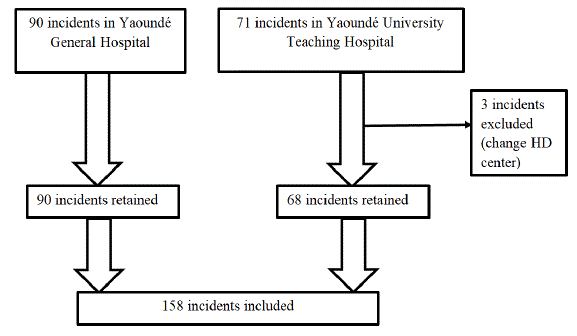
Figure 1: Flow chart of study participants.


Nlend Bah Joseph1-3 Maimouna Mahamat1,2* Kaze Folefack Francois1,3 Nzana Bandolo Victorine1,3 Fouda Menye Hermine1 Halle Marie Patrice4 Ashuntantang Gloria1,2
1Faculty of Medicine and Biomedical Sciences, University of Yaoundé, Yaoundé, Cameroon*Corresponding author: Maimouna Mahamat, Faculty of Medicine and Biomedical Sciences, University of Yaoundé, Cameroon, E-mail: [email protected]
Background: Unplanned Hemodialysis (uHD) is associated with high morbidity and mortality, mainly due to late referral of patients. This study aimed to determine the short-term outcomes and associated factors with mortality of uHD initiation in the Kidney Failure (KF) course.
Methods: We conducted a 9 months prospective longitudinal study including patients above 18 years old with KF starting uHD for an emergency in one of the two only public centres of the Cameroonian Capital: Yaoundé General Hospital (YGH) and Yaoundé University Teaching Hospital (YUTH). Each patient was followed for the first three months after HD initiation. Data were analysed using Statistical Package for Social Sciences (SPSS) software version 26 for Windows. A p-value < 0.05 was considered significant.
Results: Out of 158 (67.7% male, mean age 50.8 years) included patients, 45 (28.5%) died within three months. The short-term evolution was marked by a hospital stays of ˃ 3 days in 48.1% (n=76), the occurrence of nosocomial infection in 2.5% (n=4), a good HD adherence in 69.6% (n=110), an abandonment rate in 3.8% (n=6) and catheter-related infection in 19% (n=30). The main causes of death were sepsis (44.4%, n=20), mostly of catheter origin (24.4%, n=11), followed by uremia (20%, n=9) and cardiovascular disease (17.7%, n=8). After multivariate analysis, dialysis disequilibrium syndrome (p=0.036, aOR; 12.2) was an independent predictor of mortality.
Conclusion: More than a quarter of uHD patients die within three months after initiation. Catheter-related infection is the commonest complication, and nearly half of patients die of sepsis from catheter, uremia, and cardiovascular diseases. Dialysis disequilibrium syndrome is a predictor of shortterm mortality.
Outcomes; Mortality; Unplanned hemodialysis; Kidney failure
According to Kidney Disease: Improving Global Outcomes (KDIGO) consensus conference in 2020, Chronic Kidney Disease (CKD) is defined as abnormalities of kidney structure or function, present for more than 3 months, with implications for health [1]. CKD is a public health problem [2]. The worldwide prevalence of CKD varies from 11 to 13% [3]. In Africa, a meta-analysis in 2018 estimated the pooled prevalence of CKD stage 1-5 at 15.8% and stage 3-5 at 4.6% [4]. In Cameroon, the prevalence of CKD varies from 10.0% to 14.2% [5]. Kidney Failure (KF) referred to CKD with GFR <15ml/min per 1.73 m² or treatment by dialysis for disease duration >3 months, it represents a serious threat to global health, particularly in SubSaharan Africa (SSA), due to late referral of kidney failure patients, requiring unplanned Hemodialysis (uHD) initiation for survival [2,6,7]. Initiation to HD can be planned or unplanned. In 2018, a KDIGO consensus conference clarification of the definition of uHD or urgent-start HD as ‘dialysis which must be initiated imminently or in less than 48 hours after presentation to correct life-threatening manifestations’ [8]. It is a common situation in developing countries; it is burdened with high morbidity and mortality [9]. In 2017, Fouda, et al., reported a survival rate at 3 months of 47.7% among KF patients (90.3% had uHD initiation). In 2022, a very high rate of 81.43% of uHD was reported in Cameroon and only 16% uHD initiation was reported in France [10-12]. uHD initiation in KF patients is attributed to late referral to nephrologists in Cameroon [13]. It carries a poor prognosis and has a low cumulative survival rate within the first three to six months of HD start [10]. The highest incidence of death was reported in the first three months [14]. Therefore, it seems relevant to assess others short-term outcomes and factors associated with mortality in KF patients with uHD initiation.
This was a longitudinal study, with prospective data collection, from October 1, 2024, to June 30, 2025 conducted at the two public HD centers of the capital of Cameroon: HD units of Yaoundé General Hospital (YGH) and Yaoundé University Teaching Hospital (YUTH).
YGH is located in the Center Region, precisely at the capital city of Cameroon. It is a tertiary hospital and serves as one of the referral hospital in Cameroon and in central Africa. It hosts many services and units. The HD unit is at the basement; at the time of the study it has 25 functional Nikiso© Medical Care dialysis machines for an active list of 300 chronic HD patients. It is made up of five nephrologists and 23 nurses. The unit is opened from Monday to Sunday and runs for 24 hours each day. There are five dialysis sessions per day lasting four hours each with 30 to 45 minutes interval for decontamination after each session. Patients benefit from two dialysis sessions per week.
YUTH is located as well in the capital city of Cameroon. It is a teaching and referral hospital. It offers various services and units. The HD unit has a capacity of 16 HD machines with 14 functional Nipro© Medical Care dialysis machines for an active list of 180 chronic HD patients at the time of the study. It is made up of five nephrologists and 14 nurses. It is opened from Monday to Sunday and runs for 24 hours each day. There are five dialysis sessions per day lasting four hours each with 30 to 45 minutes interval for decontamination after each session. Patients benefit from two dialysis sessions per week.
The study population involved all KF patients above 18 years without a history of Kidney Replacement Therapy (KRT) who had an uHD initiation for an emergency between October 1, 2024, and March 31, 2025 in YGH and YUTH. It was a consecutive sampling type.
KF patients with unplanned HD who gave a positive consent to the study were included meanwhile; those who have changed the HD center before the end of the study were excluded since changing HD center can lead to missed data on outcome variables like HD adherence or occurrence of catheter related infection and/or catheter thrombosis. Consent was obtained from KF patients initiated on HD with a Central Venous Catheter (CVC) within the study period. Sociodemographic, comorbidities, clinical, and paraclinical data (at the time of HD initiation) were collected through history-taking and exploiting medical and/or HD records. Outcomes data were collected through follow-up by exploiting hospitalization and HD files: length of hospital stays after HD initiation, nosocomial infection, HD adherence, HD complications, evolution at three months and causes of death (as stated by the attending physician. Each patient was followed from the starting date of HD and for duration of three months. Patients were seen regularly (during their dialysis days) at the respective HD unit for the first three-month period and those who died within three months of HD initiation, the date and cause of death were collected as recorded by the attending physician.
We used the following terms:
- Unplanned hemodialysis initiation referred to HD performed in KF using a CVC indicated for life-threatening situations such as uremic encephalopathy/pericarditis/diathesis, refractory acute pulmonary edema, severe metabolic acidosis and severe hyperkalemia that cannot be treated medically and anuria. These patients with advance KF did not have a planned start with appropriate preparation for HD
- Short-term referred to the first 3 months of HD initiation.
- 3-month mortality defined as deaths occurrence over 12 weeks.
- Incidents referred to patients with unplanned HD initiation.
- HD adherence referred to regular HD sessions over 8 weeks; it was considered poor for ≥ 2 missed sessions, Good for <2 missed sessions, and, not applicable for duration of HD < 8 weeks.
- Short nephrology follow-up referred to nephrology visits < 3 months in pre-dialysis period.
- Long length of hospital stay was hospitalization > 3 days after HD initiation.
- Catheter-related infection: temperature ≥ 38˚C in a patient having a catheter and/or presence of local signs of infection (inflammation, suppuration) with or without bacterial culture and with no other etiology found.
- Nosocomial infection: temperature ≥ 38˚C and/or any focus of infection reported >48 hours after hospitalization.
- Severe anemia: hemoglobin level < 7 g/dl.
- Uremic syndrome: signs and symptoms of chronic uremia with no other etiology identified in a patient with KF.
- Dialysis disequilibrium syndrome: occurrence of range of neurological signs and symptoms (nausea, vomiting, headaches, dizziness, blurred vision, convulsion, altered consciousness) upon HD initiation without other overt etiology.
Data were analyzed using Statistical Package for Social Sciences (SPSS) software version 26 for Windows and Microsoft EXCEL 2010. Simple and multiple logistic regression analysis were used to look for factors associated with mortality. Odds ratio was used to measure association between variables at a confidence interval set at 95% and a p value < 0.05 was considered statistically significant.
The study received administrative authorizations from both hospitals (N°1097-24 and N°866) and an ethical approval from the scientific and ethical committee of the Faculty of Medicine and Biomedical Sciences, University of Yaoundé 1 (N°0378).
During our study period, there were 161 incidents patients (90 at the Yaoundé General Hospital and 71 at the Yaoundé University Teaching Hospital). Of these, 3 incidents were excluded from YUTH; giving us 158 included patients (Figure 1).
Figure 1: Flow chart of study participants.
There was a male sex predominance and the mean age of the study population was 50.8 (15.37) years. There was a long length of hospital stay in 48.1% (76/158) and the occurrence of nosocomial infection was 2.5% (4/158) (Table 1).
| Variable | Frequency (N=158) | Percentage (%) | |
| Age *(SD) 50.8 (15.37) | |||
| Age group (in years) | |||
| 19-39 | 41 | 25.9 | |
| 40-60 | 61 | 38.6 | |
| 61-74 | 51 | 32.3 | |
| ≥ 75 | 5 | 3.2 | |
| Gender | |||
| Male | 107 | 67.7 | |
| Female | 51 | 32.3 | |
| Comorbidities | |||
| Hypertension | 136 | 86.1 | |
| Diabetes | 50 | 31.6 | |
| HIV | 15 | 9.5 | |
| Hepatitis B | 7 | 4.4 | |
| Hepatitis C | 10 | 6.3 | |
| Cancer | 5 | 3.2 | |
| Gout | 9 | 5.7 | |
| Heart failure | 45 | 28.5 | |
| Sickle cell anemia | 1 | 0.6 | |
| Number of comorbidities *(SD) 1.77 (0.92) | |||
| 0 | 7 | 4.4 | |
| 1 | 57 | 36.1 | |
| 2 | 70 | 44.3 | |
| 3 | 15 | 9.5 | |
| 4 | 8 | 5.1 | |
| 5 | 1 | 0.6 | |
| Baseline nephropathy | |||
| Diabetic kidney disease | 41 | 25.9 | |
| Hypertensive | 27 | 17.1 | |
| Chronic glomerulonephritis | 43 | 27.2 | |
| Ischemic | 3 | 1.9 | |
| HIV associated nephropathy | 8 | 5.1 | |
| ADPKD | 1 | 0.6 | |
| Chronic TIN | 12 | 7.6 | |
| Obstructive nephropathy | 8 | 5.1 | |
| Sickle cell nephropathy | 1 | 0.6 | |
| Undetermined | 14 | 8.9 | |
| Predialysis nephrology follow up (months) *(SD) 5.1 (11.53) | |||
| ˂ 3 | 107 |
67.7 | |
| ≥ 3 | 51 |
32.3 | |
| Length of hospital stays (days) *(SD) 4.65(4.19) | |||
| ≤ 3 | 82 | 51.9 | |
| ˃ 3 | 76 | 48.1 | |
| Nosocomial infection | 4 | 2.5 | |
Table 1: General characteristics of the study population.
#*: Mean; SD: Standard deviation; TIN: Tubulo-interstitial nephritis; HIV: Human Immunodeficiency Virus; ADPKD: Autosomal Dominant Polycystic Kidney Disease
The mean GFR at HD initiation was 9ml/min/1.73m2. Biological characteristics are summarized in table 2.
| Variable | Mean ± SD |
| Natremia (mmol/l) | 135.28 ± 6.05 |
| Kalemia (mmol/l) | 5.14 ± 1.21 |
| Calcemia (mg/l) | 80.33 ± 13.89 |
| Phosphatemia (mg/l) | 58.11 ± 23.49 |
| Serum bicarbonate (mmol/l) | 16.34 ± 4.59 |
| Blood urea nitrogen (g/l) | 2.47 ± 0.94 |
| Serum creatinine (mg/l) | 156.32 ± 76.90 |
| Uricemia (mg/l) | 78.91 ± 24.08 |
| Albuminemia (g/l) | 35.53 ± 5.13 |
| Hemoglobin level (g/dl) | 7.75 ± 1.77 |
| Platelet to lymphocyte ratio | 232.69 ± 141.83 |
| Neutrophil to lymphocyte ratio | 4.66 ± 3.17 |
| Serum intact parathormone (pg/ml) | 387.78 ± 271.59 |
Table 2: Paraclinical parameters at hemodialysis initiation.
#SD: Standard deviation
Out of 158 incidents, 45 died within 3 months. The three month mortality rate was 28.5%, 28.9% (26/90) in YGH and 27.9% (19/68) in YUTH. Mortality was highest during the first 28 days, occurring in 22.2% (35/158), (Figure 2).
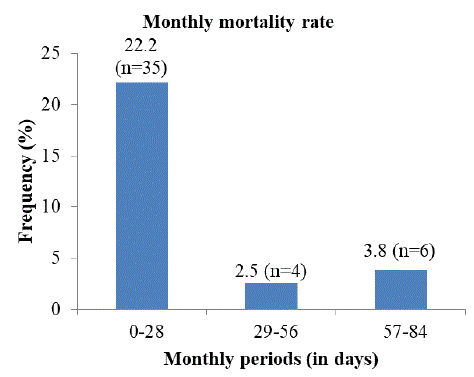
Figure 2: Monthly mortality rate in our study population.
HD complications occurred at 35.4% (56/158). Complications related to the CVC (catheter related infection, catheter dysfunction/ thrombosis and haemorrhage) were the commonest, it accounts for 27.8% (n=44) in total (Figure 3).
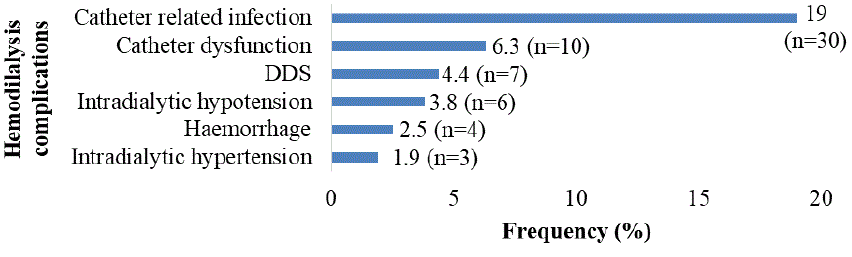
Figure 3: Hemodialysis complications in the study population.
DDS: Dialysis Disequilibrium Syndrome
More than one in two patients adhered well to dialysis (Figure 4).
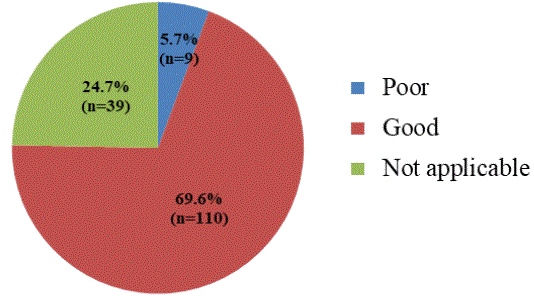
Figure 4: Hemodialysis adherence in the study population.
Death was observed at 3 months in 28.5% of patients, although six patients stopped HD without medical reason (Figure 5).
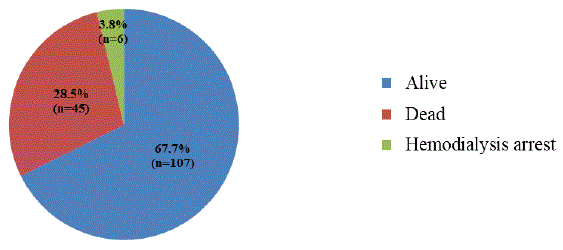
Figure 5: Evolution at three months in the study population.
Causes of death were dominated by catheter related infection at 24.4% (11/45). Sudden death (11.1%), arrhythmia (4.4%) and acute coronary syndrome (2.2%) were the main cardiovascular causes of death in our study (Figure 6).
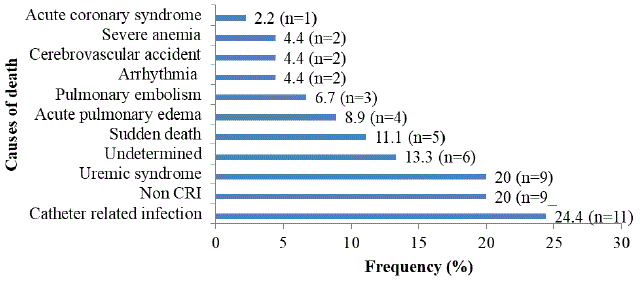
Figure 6: Causes of death in the study population.
CRI: Catheter Related Infection
Neither age nor gender, nor number of comorbidities was associated with mortality (Table 3).
| Variable | Total (%) | Dead (%) | Alive (%) | p-value |
| N=158 | n=45 | n=113 | ||
| Mean age (years) | 50.8 ± 15.3 | 52.1 ± 15.1 | 50.3 ± 15.4 | 0.518 |
| Gender | ||||
| Male | 107(67.7) | 28(62.2) | 79(69.9) | 0.351 |
| Female | 51(32.3) | 17(37.8) | 34(30.1) | Ref |
| Mean number of comorbidities | 1.7 ± 0.9 | 1.7 ± 0.8 | 1.7 ± 0.9 | 0.924 |
| Mean pre-dialysis nephrology follow up (months) | 5.1 ± 11.5 | 4.8 ± 14.9 | 5.2 ± 9.9 | 0.881 |
Table 3: Socio-demographic and clinical characteristics associated with
mortality.
#Ref: Reference
A mean serum albumin, hemoglobin and platelet to lymphocyte ratio of 34.1g/l, 7.1g/dl and 194 respectively were associated with mortality (Table 4).
| Variable | Dead | Alive | OR | CI 95% | p-value |
| n=45 | n=113 | ||||
| Mean ± SD | |||||
| Albuminemia (g/l) | 34.1 ± 5.5 | 36.1 ± 4.8 | 1.1 | 1.01 – 1.1 | 0.027 |
| Hemoglobin (g/dl) | 7.1 ± 1.8 | 7.9 ± 1.6 | 1.3 | 1.1 – 1.6 | 0.011 |
| Platelet to lymphocyte ratio | 194 ± 103.5 | 248.1 ± 152.1 | 1 | 1 – 1.01 | 0.035 |
Table 4: Paraclinical parameters associated with mortality.
#OR: Odds Ratio; CI: Confidence interval; SD: Standard deviation
Occurrence of hemodialysis complications, dialysis disequilibrium syndrome and catheter related infection were associated with mortality. These patients were 2.5 times, 17.2 times and 2.2 times respectively more likely to die (Table 5).
| Variable | Dead (%) | Alive (%) | OR | CI 95% | p-value |
| n=45 | n=113 | ||||
| Occurrence of hemodialysis complications | |||||
| Yes | 23 (51.1) | 33 (29.2) | 2.5 | 1.2 – 5.1 | 0.009 |
| No | 22 (48.9) | 80 (70.8) | Ref | Ref | Ref |
| Dialysis disequilibrium syndrome | |||||
| Yes | 6 (13.3) | 1 (0.9) | 17.2 | 2 – 147.6 | < 0.001 |
| No | 39 (86.7) | 112 (99.1) | Ref | Ref | Ref |
| Catheter related infection | |||||
| Yes | 13 (28.9) | 17 (15) | 2.2 | 1.1 – 5.2 | 0.045 |
| No | 32 (71.1) | 96 (85) | Ref | Ref | Ref |
Table 5: Complications of hemodialysis associated with mortality.
#OR: Odds Ratio; Ref: Reference; CI: Confidence Interval
Dialysis disequilibrium syndrome was an independent predictor of mortality and could predict short term mortality at 12.2 folds (Table 6).
| Variable | aOR | CI 95% | p-value |
| Dialysis disequilibrium syndrome |
12.2 | 1.2 – 127.1 | 0.036 |
Table 6: Predictors of mortality (multivariate analysis).
#aOR: Adjusted Odds Ratio; CI: Confidence Interval
The aim of this study was to determine the 3-month mortality rate, assess the 3-month outcomes (length of hospital stay, rate of nosocomial infection, occurrence of HD complications, HD adherence, and the causes of death) and identify predictors of mortality among KF patients with uHD initiation at both of the two government funded HD units of the Cameroonian capital city. At the end of the study, 158 patients were included over the study period and we observed: a mortality rate of 28.5%, a long length of hospital stays in 48.1% and a good HD adherence (69.6%). Catheter related infection was the commonest HD complications (19%). The main causes of death were catheter related infection (24.4%), uremic syndrome (20%) and non-catheter related infection (20%). Dialysis Disequilibrium Syndrome (DDS) was an independent predictor of mortality.
In our study, the 3-month mortality rate was 28.5%, which was likely similar to the rate of 23.22% recorded by Teuwafeu, et al., in 2022 [11]. Fouda, et al., in Cameroon reported a rate of 50% in 2017; this improvement could be explained by the fact that nowadays accessibility to HD has improved and there are more available HD centers compared to previous years [12]. Furthermore, Tagliente, et al., in Italy and Roy, et al., in Singapore reported higher rates at 54.5% and 61.4% respectively [13,14]. This discrepancy in mortality could be explained by the fact that those studies were done in elderly (≥ 75 years) incident HD patients, whereas in our study 3.2% were aged ≥75 years. Otherwise, our 3-month mortality rate is higher than that of Ghonimi, et al., in Qatar, and Bian, et al., in China who reported a mortality rate of 1.9% and 4.8% respectively [15,16]. There is insufficient pre-dialysis care as well as the cost associated with the management of KF, its comorbidities and complications [17]. In 2015, Liyanage, et al.. stated that many people whose kidneys fail can expect to live long, but only if they live in rich countries [18]. Kidney replacement therapy in our setting albeit easily accessible since April 2023 with implementation of the universal health coverage, the care requirement of other aspects of the treatment of these patients is not subsidised and the out-of pocket cost is still too high [19]. Also, the short pre-dialysis nephrology follow-up in our setting (67.7% of cases in our study) due to late referral of patients to the nephrologist in our study context can be associated to this worse outcome. Halle et al. previously in Cameroon reported a rate of 73.85% of late presentation to nephrologists, with a poor management prior to referral and a resultant worsening in the clinical and biological profiles related to the advanced stage of kidney impairment. Late presentation was defined as a GFR less than 30 ml/ min meaning that more than 7 out of 10 CKD patients in Cameroon present to the nephrologist at stage 4 or 5 of the disease [7].
Hemodialysis complications occurred at 35.4% and were dominated by catheter related infection (19%). Similar findings by Bello, et al., in 2022 and Fouda, et al., in 2017, reported catheter related infection as the commonest complication among incident HD patients at 64% and 59.3% respectively [12,19]. Excessive use of temporary central venous catheters with longer duration over many weeks can explain this result [19]. In our study, nosocomial infection had a substantial rate at 2.5% and almost half of our patients had a long length of hospital stay (48.1%) with a mean of 4.6 ± 4.1days. Higher lengths of hospital stay were observed by Zhang et al. in USA and Ghonimi, et al., in Qatar, with a mean of 15 days and 17.2 days respectively; this was associated to a higher rate of dialysis catheter-related bloodstream infections in patients receiving uHD [15,20]. Poor HD adherence was recorded at 5.7% and abandonment rate was at 3.8% in our study. In 2017, Fouda et al. reported a higher poor HD adherence of 51.4% and abandonment rate of 8.6% [12]. This drop is the result of the recent implementation of the universal health coverage, the cost of HD sessions per year has extremely reduced, so there is a great improvement in the financial aspect of HD which allows patients to be more regular to their HD sessions and also decrease the occurrence of HD arrest. The main cause of death was sepsis (44.4%), with catheter related infection as the principal origin of sepsis (24.4%). This is similar to other studies in developing countries where sepsis was reported as the first cause of death, this was the case in a previous study in Cameroon, sepsis accounted for 90.9% and 47.5% of cause of death in 2023 and 2022 respectively; and in Ethiopia sepsis accounted for 34.1% [11,21,22]. In these, catheters were yet the most common origin of sepsis. The excessive use of temporal catheters at initiation of dialysis is a risk factor for developing infections. Uremia represented the second cause of death (20%) in our study; however, it was reported as the first cause of death in 2017 by Fouda, et al., [12]. This could be explained by the fact that there were fewer HD centers (limited access due to saturation of the available ones), higher rate of poor HD adherence and abandonment rate during her study period which could explain persistent uremic syndrome consequently to underdialysis. Cardiovascular diseases represented the third cause of death (17.7%), as was equally reported by previous studies in Cameroon [11,12]. Sudden death (11.1%), arrhythmia (4.4%) and acute coronary syndrome (2.2%) were the main cardiovascular causes of death in our study. This is however different from studies done in developed countries, where cardiovascular death is still the leading cause of death. This was the case in Canada (34.2%), and China [16,23]. This difference with high income countries could be explained by their population entering dialysis at above 65 years and presenting with numerous cardiovascular comorbidities, coupled with their quality of care and the burden of infectious diseases in low income countries [24].
We found that several factors were associated with mortality. These included: mean serum albumin, hemoglobin and platelet to lymphocyte ratio of 34.1g/l, 7.1g/dl and 194 respectively, occurrence of HD complications, DDS and catheter related infection. After logistic regression, DDS was an independent predictor of mortality and these patients were 12.2 times more likely to die early. Serum albumin ≤ 35g/l has been reported as a predictor of mortality by Teuwafeu, et al., in 2022 [11]. Inflammatory state, under nutrition and infection amongst our study population, could be responsible for this picture, as equally reported by Canaud et al. in 2011 [25]. It was reported that in the presence of chronic inflammation, malnourished patients have very low albumin levels, a sign of severity of malnutrition or a reflection of resistance to HD treatment [26,27]. Intermittent HD (HD technique used in our study population) may be associated with an almost twofold increase in the risk of DDS which can lead to mortality [28]. Death in DDS is an unusual presentation and about 9 cases have been reported in literature describing similar association [29]. Raised platelet to lymphocyte ratio was associated with mortality as shown by Msaad, et al., in 2019 and this is a reflection of inflammation [29-32].
We acknowledge some limitations to this study. The causes of death were based on clinical judgement and individual perception of the nephrologist or general practitioner during the last admission or medical visit, and as recorded. As strengths, this is one of the few studies carried out on short-term outcomes and predictors of mortality of uHD initiation among KF patients in our setting. This study once again highlights the importance of early screening for chronic kidney disease, particularly in at-risk individuals. Acceptance of dialysis as a treatment for advanced chronic kidney disease must be reinforced among our population in order to improve patient outcomes and prognosis. It also calls on healthcare decision-makers to include vascular access for dialysis in the subsidy for advanced kidney disease care.
This study reveals that in our setting more than a quarter of KF patients die within three months of emergency HD initiation. Almost half of patients have a long length of hospital stay, and the rate of nosocomial infection is substantial. Catheter-related infection is the commonest HD complication, and HD adherence is predominantly good. The majority of patients die from preventable causes, the main ones being sepsis from a catheter, uremia, and cardiovascular diseases. DDS is a predictor of short-term mortality. Further studies are needed to assess the spectrum in others HD centers at the national level and, also conduct a prospective study on the comparison of prognosis between unplanned and planned HD initiation in patients with KF. Mortality could be lessened by early referral and planned initiation to HD.
Download Provisional PDF Here
Article Type: RESEARCH ARTICLE
Citation: Joseph NB, Mahamat M, Francois KF, Victorine NB, Hermine FM, et al. (2025) Short-Term Outcomes and Associated Factors of Unplanned Hemodialysis Initiation in Patients with Kidney Failure in a Sub-Saharan Urban Area. Int J Nephrol Kidney Fail 12(1): dx.doi.org/10.16966/2380- 5498.259
Copyright: ©2025 Joseph NB, et al. This is an open-access article distributed under the terms of the Creative Commons Attribution License, which permits unrestricted use, distribution, and reproduction in any medium, provided the original author and source are credited.
Publication history:
All Sci Forschen Journals are Open Access