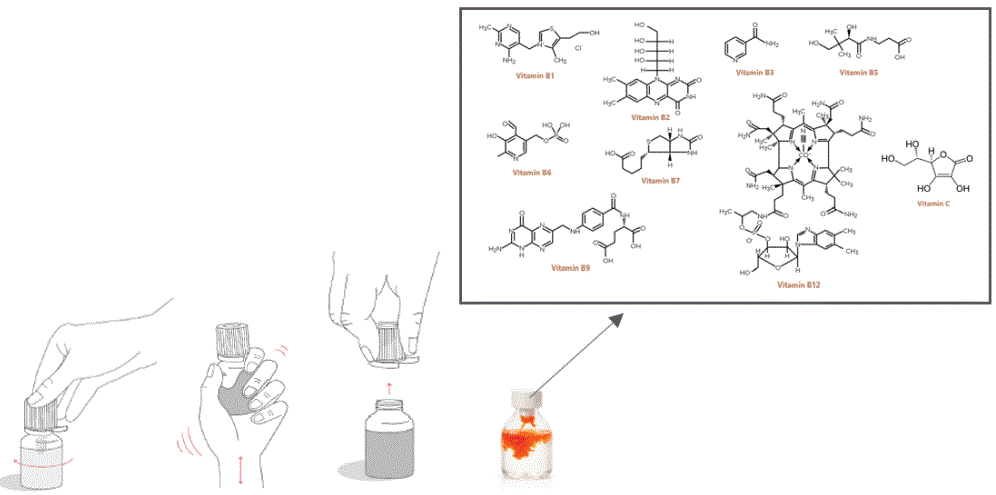
Figure 1: Dual-chamber pharmaceutical packaging system for water-soluble vitamins schematic representation.


Deniz Vardar* Cüneyt Toprak* Gökay Gün Erdinç Babuç
World Medicine, İstanbul, Türkiye*Corresponding author: Deniz VARDAR, World Medicine, İstanbul, Türkiye, E-mail: [email protected]
Cüneyt TOPRAK, World Medicine, İstanbul, Türkiye, E-mail: [email protected]
This review highlights current challenges associated with vitamin stability in pharmaceutical and nutraceutical products and discusses dual chamber packaging technologies as a prospective strategy with considerable unexplored potential. Many vitamins, especially oxidation- and moisturesensitive compounds such as vitamin C and B-complex vitamins, tend to degrade during manufacturing and storage. The degradation occurs through mechanisms such as oxidation, hydrolysis, photodegradation, and interactions with excipients or minerals. These stability issues often constrain formulation options and reduce product shelf life. At the same time, dual chamber pharmaceutical packaging systems have gained attention as innovative platforms capable physically separating reactive components until the point of use. Despite limited use in vitamin formulations, dual chamber designs have demonstrated effectiveness in preserving sensitive actives in other pharmaceutical settings. These systems make it possible to mix or reconstitute components as needed, helping to protect vitamins from degradation. In summary, this review addresses vitamin stability and dual chamber packaging technologies as complementary but separate topics, highlighting the design principles, material properties, and activation mechanisms of dual chamber systems. The potential of these innovative packaging solutions to enhance vitamin stability and product performance is emphasized, providing a basis for future research and development in stable, patient-friendly vitamin delivery systems.
Dual chamber packaging; Oxidation-sensitive vitamins; Pharmaceutical packaging systems; Vitamin C stability; B-complex vitamin degradation; Vitamin stabilization
Vitamins are fundamental micronutrients which support a broad range of physiological and biochemical functions over immune defense, energy metabolism, and protection against oxidative stress. Since the human body cannot synthesize most vitamins in adequate amounts, regular intake through diet or supplementation is necessary for maintain health. Vitamin C (ascorbic acid) and B-complex vitamins which are water-soluble vitamins, commonly used in pharmaceutical and nutraceutical products due to their well-documented biological roles and high consumer demand. These vitamins are habitually combined within a single formulation to provide multiple nutritional benefits. However, it is still a significant challenge to maintain their stability during processing, storage, and use [1].
Because of its strong reducing properties and high sensitivity to oxygen, light, heat, and moisture, Vitamin C is easily degraded. Oxidative degradation of ascorbic acid can cause a quick loss of potency and a decrease in product efficacy during storage [2]. Likewise B-complex vitamins such as thiamine, riboflavin, pyridoxine, and cobalamin exhibit different but equally important stability challenges. These compounds are susceptible to hydrolysis, photodegradation or chemical degradation, influenced by the surrounding environment and the composition of the formulation [3,4]. Interactions between vitamins, excipients, and minerals in multi-ingredient products can accelerate degradation reactions, resulting in shorter shelf life and inconsistent dosage [5].
To overcome these constraints, various formulation-based stabilization approaches have been devised with microencapsulation emerging as a key focus in the last decades. Microencapsulation techniques such as spray drying, spray chilling, coacervation, and multilayer encapsulation create a physical barrier in the case of sensitive vitamins, limiting their exposure to oxygen, moisture, and light [6]. The literature has reported that encapsulated vitamin C presents markedly better retention during storage compared to non-encapsulated forms [7]. Likewise, encapsulation of B-complex vitamins using polymeric, lipid-based or polysaccharide carriers has been shown to increase thermal and oxidative stability while also facilitating handling and ensuring uniformity [8,9]. Advanced microand nanocarrier systems have additionally shown the ability to offer controlled release and enhanced bioaccessibility of vitamins during digestion [10,11].
In spite of these advantages, microencapsulation alone cannot fully inhibit degradation, particularly in formulations where several reactive components are closely packed. Despite encapsulation, vitamins may continue to be affected by residual moisture, oxygen diffusion or interactions with other formulation constituents as time passes [12]. In addition, encapsulation processes contribute to higher manufacturing complexity and cost, and in certain instances affect dissolution behavior or sensory properties. These constraints have led to the exploration of supplementary methods beyond conventional formulation design.
In this review, pharmaceutical packaging is highlighted as an increasingly critical issue in improving stability. Traditional packaging typically acts as a passive barrier to external factors, while contemporary packaging techniques focus on actively managing the internal conditions of the product [13]. Within these innovations, dual-chamber packaging systems have gained attention as a successful strategy for stability-limited formulations. This type of innovative packaging solutions prevent contact between reactive or incompatible components during storage, and allow precise mixing or reconstitution immediately before administration; as a result, degradation reactions are minimized [14].
Dual-chamber packaging is especially important for formulations that include oxidation- and moisture-sensitive vitamins, such as vitamin C and B-complex compounds. These systems prevent premature contact between vitamins and reactive agents, such as water or minerals, thus significantly extending shelf life without the need for major reformulation [15]. Dual-chamber pharmaceutical packaging designs have been successfully implemented in effervescent products, powder-for-solution formulations, and liquid preparations, providing enhanced stability as well as improved user convenience. When combined with formulation-based approaches such as microencapsulation, dual-chamber packaging represents a promising integrated strategy for delivering stable and effective vitamin products (Figure 1).
Figure 1: Dual-chamber pharmaceutical packaging system for water-soluble vitamins schematic representation.
This review focuses on the stability problems associated with vitamin C and B-complex formulations and offers a critical overview of recent progress in microencapsulation and dual-chamber packaging technologies. Based on recent studies, this work demonstrates that combining formulation and packaging approaches can enhance vitamin stability and facilitate the development of next-generation pharmaceutical and nutraceutical products.
A comprehensive literature search was conducted using major scientific databases, including PubMed, Scopus, Web of Science, and Google Scholar. The search focused on studies published within the last 10 years related to the stabilization of oxidation-sensitive vitamins, particularly vitamin C and B-complex vitamins, and the application of dual-chamber packaging systems in pharmaceutical and nutraceutical formulations.
The following keywords and combinations were used: “dualchamber packaging”, “oxidation-sensitive vitamins”, “pharmaceutical packaging systems”, “vitamin C stability”, “B-complex vitamin degradation”, and “vitamin stabilization”
Only peer-reviewed articles published in English were included. Studies unrelated to pharmaceutical or nutraceutical applications, conference abstracts without full texts, duplicate publications, and studies lacking sufficient scientific relevance were excluded.
Relevant articles were selected based on their methodological quality, relevance to vitamin stabilization mechanisms, and contribution to the understanding of packaging-based stabilization technologies. In addition, the reference lists of selected articles were manually screened to identify further relevant studies.
Water-soluble vitamins are especially susceptible to chemical degradation because of their structural exposure to aqueous environments and reactive species. Notably, vitamin C and the B-complex vitamins demonstrate significant instability linked to their structural characteristics. The biological activity of vitamin C and the B-complex vitamins relies on structural features that support electron transfer, nucleophilic reactions, or coenzyme formation, but these same features make them unstable under light, heat, oxygen, or pH changes [16,17].
The deterioration of vitamins can occur through oxidative, hydrolytic, photochemical, or metal-mediated pathways. In food and drug formulations, degradation kinetics are often accelerated by trace metals, dissolved oxygen, and thermal conditions [18]. Consequently, understanding the structural origins of reactivity is essential for predicting stability and designing protective strategies.
Structural Sensitivity of Ascorbic Acid: Ascorbic acid (vitamin C) is a six-carbon γ-lactone which is characterized by a highly reactive enediol moiety. This structural unit enables rapid electron donation, explaining its well-established antioxidant activity. The enediol group can undergo sequential one-electron oxidations to form a semidehydroascorbate radical and subsequently dehydroascorbic acid. While this reversible redox system is biologically advantageous, it also makes the molecule fundamentally prone to oxidative degradation in oxygenated environments [19].
Recent kinetic and mechanistic studies indicate that ascorbic acid degradation strongly depends on pH and oxygen presence. Acidic conditions stabilize the protonated form; however, at neutral or alkaline pH, deprotonation increases electron density at the enediol site, accelerating autoxidation [19,20]. Thermal stress amplifies oxidation via increased reaction rates, and light can facilitate photooxidative mechanisms [21].
Metal ions such as Fe3+ and Cu2+ significantly enhance degradation by catalyzing redox cycling reactions. These catalytic processes generate reactive oxygen species that propagate oxidative breakdown, reducing vitamin potency [18]. Modern computational chemistry approaches have also demonstrated that solvent polarity and electronic descriptors (e.g., HOMO-LUMO gap, ionization potential) effect antioxidant reactivity and stability patterns of ascorbic acid in aqueous media [22]. Therefore, the electron-donating feature responsible for its biological antioxidant activity also contributes to its susceptibility to environmental instability.
Structural Sensitivity of B-Complex Vitamins: In contrast to vitamin C, B-complex vitamins exhibit structural diversity. Their chemical sensitivity varies depending on heterocyclic composition, substituent groups, and functional moieties involved in coenzyme activity [17,23]. The B vitamins, which are taken place individually below, are generally considered to comprise eight distinct vitamins. The B vitamins, which are explained individually below, are generally considered to comprise eight distinct vitamins, and each of these, referred to as the B-complex group, has a unique structure and function.
• Thiamine (Vitamin B1) contains a thiazolium ring linked to an aminopyrimidine structure. The positively charged thiazolium nitrogen is essential for stabilizing carbanion intermediates in metabolic decarboxylation reactions. However, this same structural property makes thiamine vulnerable to alkaline hydrolysis and thermal degradation. Literatures explain that thiamine decomposition increases significantly at elevated pH and temperature, especially during food processing [24].
• Riboflavin (Vitamin B2) possesses a conjugated isoalloxazine ring system responsible for redox cycling in its coenzyme forms (FMN and FAD). Although chemically stable under dark conditions, riboflavin is highly photosensitive. Photoreactions can produce singlet oxygen or superoxide, triggering both its own degradation and oxidative damage to surrounding substances [25].
• Niacin (Vitamin B3), structurally consisting of a pyridine ring substituted with a carboxyl group, is generally resistant to thermal and oxidative stress. Its biologically active derivatives, NAD+ and NADP+, function in hydride transfer processes, indicating tightly controlled redox behavior in enzymatic systems rather than inherent environmental instability [23].
• Pantothenic acid (Vitamin B5) contains an amide linkage prone to hydrolytic cleavage at extreme pH levels, and thermal stress can enhance its breakdown, potentially limiting its contribution to coenzyme A biosynthesis [17].
• Vitamin B6 (Pyridoxine group) includes pyridoxal, pyridoxine, and pyridoxamine. The aldehyde functional group of pyridoxal-5′-phosphate (PLP) enables Schiff base formation in amino acid metabolism, but this reactive carbonyl also increases sensitivity to light and oxidative stress outside biological systems [26].
• Vitamin B7 (Biotin) is a bicyclic compound with an ureido ring joined to a tetrahydrothiophene ring and a valeric acid side chain. The sulfur atom and carbonyl group are important for its role in carboxylation reactions, but they also make the molecule more reactive. Biotin is generally stable at neutral pH and moderate temperatures; however, strong acids, bases, or high heat can cause hydrolytic or oxidative degradation [27].
• Folate (Vitamin B9) is particularly prone to oxidative and photolytic degradation due to its pteridine ring system. Reduced folate forms exhibit even greater instability, undergoing cleavage and structural rearrangements when exposed to oxygen or ultraviolet light [28].
• Vitamin B12 (cobalamin) contains a corrin ring coordinated to a central cobalt ion. Although relatively stable at neutral pH, extreme acidity, alkalinity, or prolonged light exposure can alter cobalt oxidation state or cleave axial ligands, leading to activity loss [29].
Structurally, vitamin C becomes unstable mainly because of its strong redox activity, while B-complex vitamins degrade due to the sensitivity of certain functional groups, such as ring cleavage, hydrolysis, or light-induced reactions. For this reason, stability must be managed differently for each vitamin, for example by reducing oxygen exposure for ascorbic acid, shielding riboflavin and folate from light, and maintaining appropriate pH conditions for thiamine and pantothenic acid.
In summary, the chemical structures of vitamin C and B-complex vitamins govern both their crucial biological functions and their susceptibility to environmental degradation. Their electron-rich or reactive functional groups support vital metabolic processes while also creating challenges for formulation and storage.
Water-soluble vitamins, especially vitamin C (ascorbic acid) and the B-complex group, are sensitive compounds that can easily lose their stability. Their chemical structure makes them prone to environmental factors and processing conditions, which may reduce their nutritional quality and biological effectiveness. Research published in recent years shows that the main causes of their degradation include oxidation, hydrolysis, exposure to light, and the combined impact of heat and moisture during processing and storage.
Oxidation plays a vital role in the loss of vitamin stability among the various degradation pathways. Ascorbic acid is highly sensitive to oxygen, particularly in aqueous systems and during thermal food processing because of its enediol structure. When exposed to oxygen, vitamin C is first converted to dehydroascorbic acid and then further degraded into biologically inactive compounds [30]. Similarly, B-complex vitamins are prone to oxidative degradation. Oxidative conditions in food can lower vitamin stability, and interactions with other ingredients can make vitamin loss faster during storage and processing [31]. In mixtures containing multiple vitamins, vitamin B12 becomes less stable because some compounds, such as nicotinamide, can cause oxidation and light-related breakdown at different pH levels [32].
Hydrolysis can also reduce vitamin stability, especially when moisture is high or pH changes. Water can break chemical bonds in sensitive vitamins, leading to loss of their active forms in liquids or humid conditions. Studies on biological samples show that watersoluble vitamins, such as thiamine and vitamin C, are unstable at room temperature or even under mild refrigeration (2-8℃), making careful storage and handling essential to prevent humidity-related degradation [33].
Photodegradation is another important pathway for vitamin loss and occurs when light triggers chemical breakdown. Vitamin C is highly sensitive to light and can degrade significantly when exposed to UV or strong visible light, which is especially a concern for products in transparent or poorly protected packaging [30]. The light stability of B vitamins varies depending on the specific vitamin; for example, vitamin B12 can undergo photolytic degradation, leading to structural changes and reduced activity [34]. In addition, naturally occurring photosensitizers in foods can speed up these reactions, causing further vitamin loss during light exposure.
Heat and humidity are among the most important factors affecting vitamin stability. High temperatures speed up chemical reactions, increasing the rates of oxidation and hydrolysis, while humidity promotes water-driven breakdown. Studies on enteral nutrition formulas have shown that both vitamin C and B1 (thiamine) degrade more quickly as storage temperature rises and over longer storage times, highlighting the role of temperature in vitamin loss [35]. Likewise, food processing research indicates that long or high-heat treatments, such as convective drying, can cause significant reductions in vitamin C and B-group vitamins in fruits, whereas freeze-drying helps preserve them by limiting heat and oxidation damage [36].
Complex matrix and processing interactions also effect the relative stability of vitamins. For instance, comparisons across different drying and storage methods reveal that vitamin retention varies not only with adverse conditions but also with the protective effect of specific technologies; vacuum and freeze drying better preserve both vitamin C and B-group vitamins compared to natural or highheat convective drying, which enhances oxidative degradation [36]. Additionally, formulation strategies such as microencapsulation and advanced delivery systems have been developed to protect sensitive vitamins by creating physical barriers against oxygen, light, and moisture, improving both stability and bioavailability [37]. These approaches are especially useful in fortified foods and supplements, where environmental factors can otherwise lead to significant vitamin loss.
Overall, vitamin degradation is multifactorial, with oxidation, hydrolysis, photodegradation, and heat plus humidity effects acting individually and synergistically. Recent research emphasizes the importance of storage conditions, processing control, formulation design, and protective technologies in mitigating these degradation pathways to ensure that products deliver the intended nutritional benefits.
Water-soluble vitamins such as vitamin C (ascorbic acid) and the B-complex group (including thiamine, riboflavin, pyridoxine, cyanocobalamin, niacinamide, and folic acid) are widely used in pharmaceutical, nutraceutical, and fortified food formulations due to their essential biological functions. However, these micronutrients face significant stability challenges during formulation and storage, primarily due to their chemical reactivity and interactions with excipients, moisture, oxygen, and trace mineral ions. Vitamin C, in particular, is highly susceptible to oxidation and hydrolysis, whereas individual B vitamins show varied sensitivities to environmental stressors such as pH, light, and thermal conditions [38,39].
The oxidative degradation of ascorbic acid is one of the most critical formulation issues; it readily oxidizes to dehydroascorbic acid under exposure to oxygen, heat, or light, and further degrades into inactive products such as 2,3-diketogulonic acid [38,40]. This oxidative process is accelerated by the presence of transition metal ions including iron (Fe2+/Fe3+) and copper (Cu2+), which catalyze redox reactions and increase the rate of ascorbic acid degradation significantly, particularly in aqueous or high humidity medias [38,41]. Additionally, the presence of free water and elevated temperature enhances oxidative pathways, making liquid dosage forms particularly prone to loss of active vitamin C content [39,42]. In response to these instability concerns, approaches including microencapsulation, antioxidant supplementation, and precise control of formulation pH have been widely implemented to enhance chemical stability [38,43].
The stability of B-complex vitamins also presents unique formulation challenges. While some B vitamins (e.g., niacinamide) exhibit relatively higher intrinsic stability, others such as thiamine and riboflavin are sensitive to heat and light, respectively, which can cause vital potency loss during processing and storage [39,44]. Moreover, cyanocobalamin (vitamin B12) demonstrates complex stability behavior; it is prone to photolytic cleavage and degradation under oxidative conditions, and its stability may be compromised in the presence of reducing agents, including ascorbic acid [45,46]. Recent comprehensive reviews highlight that the chemical oxidation of B vitamins is influenced by matrix effects and interactions with other components, particularly when incorporated into complex food or pharmaceutical systems [39].
Excipients, although pharmacologically inert, can interact with vitamins and alter their stability profiles. Hygroscopic carriers or moisture-retaining polymers may increase water activity within a formulation, thereby enhancing hydrolytic and oxidative losses of watersoluble vitamins [38,47]. Reducing sugars such as glucose, fructose, or lactose, commonly used as fillers or sweeteners, can participate in Maillard reactions or redox chemistry, potentially accelerating vitamin degradation, particularly for thiamine and vitamin B12 [41,46]. Buffering excipients that shift local pH microenvironments towards alkaline conditions may further destabilize pH-sensitive vitamins like ascorbic acid and thiamine [38,47].
Combination products that contain both vitamins and minerals create additional stability challenges. Although minerals such as iron and copper are added for their nutritional benefits, they can also speed up unwanted oxidation reactions. Even small amounts of these metals, whether present as active ingredients or as impurities, cause a decrease in vitamin stability. For instance, iron is known to increase the oxidation rate of ascorbic acid and can negatively influence the stability of B vitamins formulated in the same product [41,48]. A well-known compatibility issue occurs between ascorbic acid and cyanocobalamin (vitamin B12). Ascorbic acid can act as a reducing agent and promote the degradation of vitamin B12, especially in liquid formulations exposed to heat or light [45,49]. Because of these interactions between vitamins, careful formulation design and thorough compatibility studies are necessary to ensure that the product maintains its potency throughout its shelf life [46].
To address these stability concerns, formulation scientists increasingly rely on advanced analytical profiling and forced degradation studies to anticipate and mitigate instability pathways early in development. Encapsulation in nanocarriers, microencapsulation, and multilayer tablet technologies have been shown to provide enhanced protection for labile vitamins against environmental stressors [38,43]. Incorporating chelating agents like EDTA to bind catalytic metal ions, controlling pH, and reducing free water content are established strategies to improve overall stability [40,47]. Innovative packaging solutions such as oxygen-barrier materials and desiccant systems are also adopted to preserve the active content throughout storage.
Moreover, the current searches emphasize the importance of systematic excipient compatibility screening and stability-indicating analytical methods to predict long-term behavior in multivitamin systems. These approaches enable the identification of destabilizing interactions between vitamins and formulation components, guiding the selection of appropriate excipients and processing conditions [38,39,47]. Addressing the multifaceted stability challenges associated with vitamin C and B-complex vitamins is critical for ensuring the therapeutic efficacy, safety, and regulatory compliance of final products intended for clinical, dietary, and supplemental use.
The incorporation of antioxidant compounds is one of the most commonly applied strategies to improve the stability of labile vitamins such as vitamin C and several B-complex vitamins in pharmaceutical and nutraceutical formulations. Ascorbic acid is especially prone to oxidation when exposed to oxygen, heat, light, or trace metal ions, which can significantly accelerate degradation reactions during storage and processing [50,51]. The oxidation of ascorbic acid generally results in the formation of dehydroascorbic acid followed by irreversible degradation products, ultimately reducing the biological activity of the vitamin [50,52].
Antioxidants are commonly added to formulations to slow down degradation processes by neutralizing reactive oxygen species or disrupting radical chain reactions [50,53]. Various antioxidant compounds such as tocopherols and other stabilizing agents have been used to enhance the oxidative stability of vitamin-containing products [50,54]. In some formulations, synergistic antioxidant systems are employed to provide enhanced protection against oxidative degradation pathways.
Despite their benefits, antioxidant-based stabilization strategies have several limitations. Antioxidants can gradually lose their protective effect because they are consumed during oxidation reactions. Additionally, residual oxygen in the packaging headspace or oxygen diffusion through packaging materials can still initiate degradation processes during long-term storage [50,51]. Consequently, antioxidant systems often slow down degradation rather than fully preventing it.
Encapsulation technologies, including coating and microencapsulation, have been widely investigated as protective strategies for unstable vitamins. In these systems, the active compound is entrapped within a protective matrix that isolates it from environmental stress factors such as oxygen, moisture, and light [54,55].
Different encapsulation techniques have been developed for vitamin stabilization, including spray drying, liposomal encapsulation, and emulsion-based systems. These techniques utilize various wall materials such as polysaccharides, proteins, and lipids to form protective barriers around sensitive compounds [54,55]. Studies have shown that encapsulation can significantly improve the storage stability of vitamin C by reducing oxygen exposure and slowing oxidative degradation reactions [55,56].
Furthermore, encapsulation may also provide controlled release properties and improve the bioavailability of active compounds in complex formulations [54]. However, the effectiveness of encapsulation systems depends strongly on the encapsulation efficiency, processing conditions, and the physicochemical properties of the encapsulating materials. Incomplete encapsulation or exposure to harsh processing conditions such as high temperatures may still lead to partial degradation of sensitive vitamins [54].
Humectants and preservative systems are commonly used in liquid formulations to maintain stability and extend product shelf life. Humectants such as glycerol or sorbitol can regulate water activity within formulations, thereby reducing hydrolytic reactions that may contribute to vitamin degradation [51].
Vitamin C stability is strongly influenced by environmental conditions including pH, oxygen availability, and temperature. In aqueous formulations, degradation rates may increase significantly when oxygen exposure and temperature are not adequately controlled [51,52]. Therefore, controlling formulation conditions and water activity is an important factor in stabilizing water-soluble vitamins.
Preservatives are mainly incorporated to prevent microbial growth during storage. Although their primary role is microbiological protection, they may indirectly contribute to chemical stability by preventing microbial metabolism that could degrade active ingredients. Nevertheless, preservative systems alone generally provide limited protection against chemical degradation pathways such as oxidation or photodegradation [51].
Although antioxidant systems, encapsulation technologies, and preservative formulations can improve the stability of sensitive vitamins, these approaches typically slow degradation rather than completely preventing it [50,51]. Highly reactive molecules such as ascorbic acid remain vulnerable to environmental factors including oxygen exposure, light, and temperature fluctuations during storage [52].
Another important limitation is the diffusion of oxygen through packaging materials or the presence of residual oxygen within containers. Even when protective excipients are used, oxidative degradation may still occur during long-term storage [51,57]. These challenges have encouraged the development of alternative stabilization approaches focusing on formulation design and advanced packaging technologies.
In recent years, multi-compartment pharmaceutical packaging systems such as dual-chamber containers have gained increasing attention as potential solutions to improve stability. By physically separating reactive or unstable components until the moment of administration, these systems can significantly reduce premature degradation reactions and extend product shelf life [58,59].
Dual chamber packaging systems have emerged as an important technological solution for biopharmaceutical products that require lyophilization and reconstitution prior to administration. In these systems, the therapeutic component typically in a freeze-dried form and the diluent are stored in two physically separated compartments within a single primary container. This configuration allows the components to be mixed immediately before administration, thereby maintaining product stability during storage while enabling rapid reconstitution at the point of use [60].
Many pharmaceutical products, including monoclonal antibodies, peptides, and recombinant proteins, are inherently sensitive to environmental stresses such as moisture, temperature fluctuations, and oxidative conditions. Exposure to these factors can lead to structural changes including protein denaturation, aggregation, and chemical degradation, which may compromise product stability, efficacy, and patient safety [61,62]. Freeze-drying (lyophilization) is widely employed to stabilize these labile molecules by removing water from the formulation. The absence of water significantly reduces hydrolytic degradation and oxidation reactions, allowing long-term storage of biologics in a stable solid state [63].
Traditional reconstitution of lyophilized products using a vial and syringe typically involves several manual steps. These include measuring the diluent, transferring it into the vial containing the lyophilized drug product, gently mixing the solution to avoid foaming or protein denaturation, and subsequently withdrawing the reconstituted solution into a syringe for administration. Each of these steps introduces potential risks, including human error, microbial contamination, and dosing inaccuracies, all of which may negatively affect therapeutic outcomes [64].
Dual chamber packaging systems were developed to address these challenges by integrating both the drug product and the diluent into a single sterile container. Upon activation, the barrier separating the two chambers is displaced, allowing the diluent to mix with the lyophilized drug and initiate reconstitution within the same device. By reducing the number of handling steps, this design minimizes contamination risks and simplifies the preparation process in both clinical and homecare settings [60].
From a patient and healthcare provider perspective, dual chamber devices significantly improve usability compared with conventional vial-and-syringe systems. The integration of diluent and lyophilized drug into a single device simplifies workflow, reduces the likelihood of dosing errors, and lowers the risk of needle-stick injuries associated with manual preparation steps [65]. Furthermore, regulatory frameworks for combination products emphasize the importance of maintaining sterility, dose accuracy, and user-friendly design, all of which are key advantages of dual chamber packaging systems. Overall, the ability to preserve drug stability until the moment of administration while simultaneously simplifying the reconstitution process makes dual chamber systems a critical innovation in the development of patientcentered pharmaceutical delivery technologies.
Dual-chamber packaging systems are available in multiple formats that are designed to accommodate different drug characteristics, dosage volumes, and administration requirements. The selection of the device configuration generally depends on formulation properties, stability considerations, and the intended route of administration. Commonly used formats include dual-chamber prefilled syringes and dual-chamber cartridges, both of which allow the separation of the lyophilized drug product from its diluent until the moment of use. This separation helps maintain the stability of sensitive biopharmaceuticals during storage while enabling rapid and convenient reconstitution prior to administration [60,64].
Depending on clinical and formulation needs, additional innovative device designs have also been developed to integrate drug storage, reconstitution, and delivery within a single system. Such flexible configurations are particularly valuable for biologic drug products that require improved stability, simplified preparation procedures, and accurate dosing during administration [62,63].
Dual-Chamber Prefilled Syringes: Dual chamber prefilled syringes incorporate physically separate compartments for a lyophilized drug and its diluent within one syringe body. Upon activation typically through plunger depression or movement of an internal barrier the diluent is released into the drug chamber and mixes with the dried formulation, providing rapid reconstitution immediately prior to administration. This design eliminates the need for multiple vial transfers, thereby enhancing sterility and reducing handling steps, which is particularly beneficial for biologics and other sensitive therapeutics [60,66].
By integrating the reconstitution mechanism into a single device, dual chamber syringes reduce preparation time, minimize contamination risks, and improve dosing consistency compared to conventional reconstitution methods that require manual mixing from separate containers [60,8]. These advantages contribute to improved convenience for both patients and healthcare professionals, especially in home care and self administration settings where ease of use and dose accuracy are critical [60,66].
Dual-Chamber Cartridges: Dual chamber cartridges operate on a principle similar to prefilled syringes but are designed to fit pen injectors, auto injectors, or other automated delivery devices. These cartridges house the drug and diluent in two distinct compartments that are interconnected by an internal bypass channel or valve. At the point of use, actuation opens the channel, allowing the diluent to flow into the drug chamber and mix the components prior to delivery [67,68].
This configuration supports the accurate delivery of larger volumes and high viscosity formulations, making dual chamber cartridges well suited for chronic therapies where ergonomic administration and precise dose control are essential. Cartridges also facilitate compatibility with automated injectors, enhancing patient comfort and adherence during self administration [68].
Dual-Chamber Bags and Other Formats: In addition to syringes and cartridges, dual chamber concepts have been extended to larger format containers such as dual chamber infusion bags. These systems are particularly useful for large volume parenteral applications, such as intravenous infusions, where one compartment contains a lyophilized drug and the other holds the diluent. A pressure application or seal rupture prior to use allows mixing and direct infusion into the patient, reducing preparation complexity and the potential for error [69,70].
Recent systematic evaluations of powder liquid dual chamber bags have demonstrated advantages over traditional powder injection techniques, including improved stability of the infused solution, higher concentration accuracy, reduced preparation time, and lower incidence of infusion errors. These benefits are especially pronounced in high volume clinical environments such as emergency departments and intensive care units, where rapid and reliable preparation is essential [59,69,70].
Stability: One of the principal design objectives for dual chamber packaging is to preserve the chemical and physical stability of labile drug substances throughout the intended shelf life, protecting them from degradation pathways triggered by moisture ingress, oxygen exposure, or interactions with packaging materials. Container materials, such as borosilicate glass or high barrier polymers, must resist permeation and prevent extractables or leachables that could compromise product integrity and affect protein stability or aggregation [60,71]. Unlike conventional vial formats, freeze drying in dual chamber configurations introduces unique challenges due to altered heat and mass transfer characteristics arising from chamber geometry and additional interfaces, necessitating optimized process parameters and monitoring strategies to achieve uniform drying and consistent quality attributes [60,72,73]. For example, tailored cycle designs and analytical controls such as those described for dual chamber cartridge lyophilization have demonstrated that process adaptation can maintain product quality across different fill volumes and protein concentrations [72].
Ease of Use: User centered design is a fundamental requirement to minimize preparation errors and enhance usability, especially when self administration outside clinical settings is anticipated. Dual chamber systems that reduce the number of manual steps and incorporate intuitive activation mechanisms can decrease the likelihood of misuse, reduce caregiver burden, and improve overall treatment adherence [15,60]. Ergonomic considerations, including plunger resistance, activation feedback, and clear operating cues, further help reduce user errors and improve confidence during preparation and administration [15].
Dose Accuracy: Accurate and reproducible dosing is critical for therapeutic efficacy, particularly for high potency biologics or other drugs with narrow therapeutic windows. Precision engineering of chamber volumes, plunger tolerances, and bypass channels ensures that diluent and drug components are mixed in controlled proportions and delivered consistently [60,71]. In cartridge based delivery systems intended for use with auto injectors or pen devices, considerations for flow dynamics and viscosity effects must be incorporated into the design to maintain dose accuracy across a range of clinical scenarios [71].
Patient Compliance: Simplifying preparation and administration through thoughtful dual chamber design reduces procedural complexity and minimizes steps that could contribute to patient discomfort or anxiety, which in turn enhances compliance with treatment regimens. This is particularly important in chronic care settings where frequent, repeated dosing is required [60,15]. Features such as ergonomic components, reduced preparation time, and built in reconstitution mechanisms support adherence and help improve patient outcomes.
Manufacturing Complexity and Regulatory Considerations: Despite the clear advantages in stability, ease of use, and patient compliance, dual chamber systems introduce additional manufacturing complexity due to multi component assembly and stringent aseptic fill finish requirements. Ensuring container closure integrity and consistent performance across two chambers places high demands on equipment precision and process validation [60,72]. Regulatory authorities require comprehensive data demonstrating product stability, compatibility with intended formulations, and maintenance of functional performance over the product lifecycle. These regulatory and manufacturing challenges must be considered early in product development planning to balance therapeutic benefits with feasibility and compliance [60,72].
Water-soluble vitamins, especially vitamin C and B-complex vitamins, are essential for metabolism, immune function, and antioxidant defense but are often unstable during processing and storage. Vitamin C is highly prone to oxidation due to its enediol structure, converting into inactive degradation products when exposed to oxygen, light, or trace metals. B-complex vitamins like thiamine, riboflavin, pyridoxine, and cyanocobalamin are also sensitive to heat, light, and pH changes, with riboflavin degrading under UV light and thiamine unstable in alkaline conditions. These stability issues are compounded in multivitamin formulations, where interactions between vitamins or with other ingredients can accelerate degradation. Overall, environmental factors such as temperature, oxygen, light, and packaging significantly affect the shelf life and potency of these vitamins [1,29].
To address these stability challenges, several technological strategies have been explored, including encapsulation technologies and advanced delivery systems. Encapsulation techniques can improve vitamin stability by surrounding the active compound with protective materials that reduce exposure to oxygen, moisture, and other degrading factors [74,75]. For example, liposomal and vesicular delivery systems have been shown to enhance the stability of vitamin C and other sensitive nutrients by providing physical protection against environmental stressors [75]. However, although encapsulation improves stability, it may not completely eliminate degradation in complex multicomponent formulations.
Dual-chamber packaging systems represent an innovative approach to improving the stability of sensitive ingredients in pharmaceutical and nutraceutical products. In these systems, two separate compartments are integrated into a single container, allowing unstable or incompatible ingredients to be stored independently until the moment of use. The compartments are separated by a barrier that can be mechanically activated or broken, enabling the contents to mix immediately before administration or consumption. This design significantly reduces the likelihood of chemical interactions during storage and helps maintain the stability of sensitive vitamins [65].
One of the major advantages of dual-chamber packaging is the ability to prevent premature chemical reactions between formulation components. Vitamin C, for example, is prone to oxidation in aqueous environments and may also interact with other ingredients present in complex formulations [76]. By storing vitamin C separately from other reactive compounds, dual-chamber packaging minimizes these interactions and helps maintain vitamin potency throughout the storage period [76]. This strategy ensures that the vitamins remain stable until the product is activated and mixed just prior to use.
Dual-chamber systems are particularly advantageous for formulations that contain both dry and liquid phases. Many vitamins are significantly more stable in their dry state compared with aqueous solutions. For instance, ascorbic acid degradation occurs more rapidly in liquid systems due to oxidation reactions facilitated by dissolved oxygen [53]. By storing vitamin C as a powder or lyophilized form in one chamber and the solvent in another chamber, dual-chamber packaging allows the formulation to be freshly prepared immediately before use, thereby preserving its biological activity and extending shelf life [58].
Another important factor affecting vitamin stability is the selection of appropriate packaging materials. Packaging systems with improved oxygen barrier properties can significantly reduce oxidative degradation of vitamins during storage. Recent studies have highlighted the role of advanced packaging materials in maintaining antioxidant activity and preserving nutrient content in food and pharmaceutical products [77]. Therefore, combining effective barrier materials with dual-chamber designs can further enhance the stability and performance of vitamin formulations.
Despite the advantages of dual-chamber packaging, certain technical challenges remain in the development and large-scale production of these systems. Manufacturing processes must ensure complete separation of the compartments while maintaining container integrity during transportation and storage. In addition, the activation mechanism must allow convenient mixing of the components without compromising product safety or sterility. Addressing these challenges is essential for ensuring the reliability and effectiveness of dualchamber packaging technologies in commercial applications [66].
Overall, dual-chamber packaging represents a promising technological strategy for improving the stability and shelf life of vitamin C and B-complex formulations. By physically separating reactive ingredients until the moment of use, this approach minimizes degradation reactions and helps maintain the potency of sensitive vitamins during storage. As research in packaging technologies, delivery systems, and encapsulation methods continues to advance, dual-chamber packaging is expected to play an increasingly important role in the development of innovative vitamin formulations for pharmaceutical and nutraceutical applications [29,75].
The stabilization of labile vitamins such as vitamin C (ascorbic acid) and B-complex vitamins remains a major challenge in pharmaceutical sciences due to their susceptibility to oxidation, hydrolysis, and environmental stressors. Factors such as temperature, humidity, oxygen exposure, and light significantly accelerate degradation processes, resulting in reduced efficacy and shelf life [78,79]. In recent years, dual-chamber pharmaceutical technologies have gained attention as an innovative strategy to improve stability by physically separating incompatible or unstable components until the point of administration. Alongside this technological advancement, sustainability and patient-centered approaches are increasingly shaping the future of pharmaceutical packaging and delivery systems.
Smart packaging systems play a critical role in maintaining the stability of sensitive compounds such as vitamins. These systems incorporate active and intelligent features, including oxygen scavengers, moisture absorbers, and indicators that monitor environmental conditions. Vitamin C is particularly prone to oxidative degradation, which leads to loss of biological activity during storage [16].
Recent studies have demonstrated that advanced encapsulation techniques, such as liposomal delivery systems, significantly enhance the stability of vitamin C by protecting it from environmental degradation [80]. Similarly, double-emulsion systems (e.g., W/O/W emulsions) have been shown to preserve antioxidant activity and improve stability over time by creating physical barriers against external stress factors [81]. These approaches parallel the concept of dual-chamber systems, where reactive ingredients are isolated until use, thereby minimizing premature degradation.
Furthermore, integrating smart indicators into dual-chamber packaging could provide real-time feedback on product quality. This is particularly important in pharmaceutical applications, where maintaining stability throughout the supply chain is essential for therapeutic efficacy.
Sustainability has become a central concern in pharmaceutical packaging design. Traditional packaging materials, especially multilayer plastics, present significant environmental challenges due to their limited recyclability. Consequently, there is growing interest in developing biodegradable and environmentally friendly materials that can also provide adequate protection for sensitive compounds [82].
Recent research highlights the use of biopolymers and natural materials in stabilizing vitamin formulations. For example, microencapsulation techniques using biodegradable polymers have been widely applied to improve the shelf life of vitamin C, with methods such as spray drying, extrusion, and liposomal encapsulation showing promising results [83]. These materials not only enhance stability but also reduce environmental impact.
In dual-chamber systems, the challenge lies in balancing sustainability with functional performance, particularly barrier properties against oxygen and moisture [84]. Future developments are expected to focus on mono-material designs or easily separable components that facilitate recycling without compromising stability. Additionally, the use of bio-based composites may further enhance both mechanical strength and protective capabilities.
Patient-centered design is a key factor in modern pharmaceutical development. Dual-chamber systems inherently support this approach by simplifying drug preparation and administration while ensuring optimal stability [85]. By separating unstable components such as vitamin C and certain B vitamins, these systems allow for on-demand mixing immediately before use, thereby preserving potency.
Studies have shown that vitamin degradation is highly dependent on storage conditions, including temperature and humidity, which can vary significantly outside controlled environments [86]. Dual- chamber systems reduce the impact of such variability by minimizing exposure to destabilizing factors until the point of administration.
Moreover, advances in nanotechnology and encapsulation have improved the bioavailability and stability of vitamins. For instance, liposomal formulations have been reported to enhance stability and enable controlled release, improving therapeutic outcomes. Incorporating such technologies into dual-chamber systems can further optimize delivery efficiency [80,87].
From a usability perspective, features such as pre-filled syringes, simple activation mechanisms, and clear instructions enhance patient compliance, particularly in home-care settings. These systems are especially beneficial for elderly patients or those requiring long-term supplementation.
Dual-chamber pharmaceutical systems are expected to play an increasingly important role in the stabilization and delivery of sensitive compounds. By physically separating incompatible ingredients, these systems effectively prevent degradation pathways such as oxidation and hydrolysis.
Recent research into co-crystal formulations and advanced delivery systems demonstrates the potential for improving the stability of vitamin C and similar compounds through structural and formulationbased approaches [88]. Additionally, dual-delivery systems have shown enhanced biological performance by enabling controlled and sequential release of active ingredients [89].
Looking ahead, the integration of dual-chamber systems with emerging technologies such as nanocarriers, smart sensors, and continuous manufacturing processes will further expand their applications. For example, combining dual-chamber packaging with liposomal or polymer-based encapsulation could provide synergistic benefits, including extended shelf life and improved bioavailability.
However, several challenges remain, including manufacturing complexity, regulatory requirements, and cost considerations. Addressing these issues will require interdisciplinary collaboration across pharmaceutical sciences, materials engineering, and healthcare systems.
In summary, dual-chamber packaging systems offer an effective approach for protecting oxidation-sensitive vitamins such as vitamin C and B-complex compounds from environmental degradation. The separation of unstable components prior to administration helps limit oxidation and hydrolytic reactions, contributing to improved chemical stability and prolonged shelf life.
Compared with many formulation-centered stabilization techniques, dual-chamber systems provide a more adaptable packaging-based alternative without significantly modifying the active formulation itself. Their potential to support product quality, dosing reliability, and ease of administration makes them particularly relevant for pharmaceutical and nutraceutical applications.
Despite these advantages, several limitations remain, including production complexity, economic considerations, regulatory evaluation, and compatibility of packaging materials with sensitive formulations. Future investigations should therefore focus on scalable manufacturing strategies, sustainable packaging materials, and the integration of advanced technologies such as smart monitoring systems.
Overall, dual-chamber packaging technology appears to be a valuable and future-oriented platform for enhancing the stability and practical usability of vitamin formulations.
Download Provisional PDF Here
Article Type: REVIEW ARTICLE
Citation: Vardar D, Toprak C, Gün G, Babuç E (2026) Enhancing the Stability of Oxidation-Sensitive Vitamins (Vitamin C and B-Complex) using DualChamber Packaging Systems. J Drug Res Dev 10(1): dx.doi.org/10.16966/2470-1009.179
Copyright: © 2026 Vardar D, et al. This is an open-access article distributed under the terms of the Creative Commons Attribution License, which permits unrestricted use, distribution, and reproduction in any medium, provided the original author and source are credited.
Publication history:
All Sci Forschen Journals are Open Access